

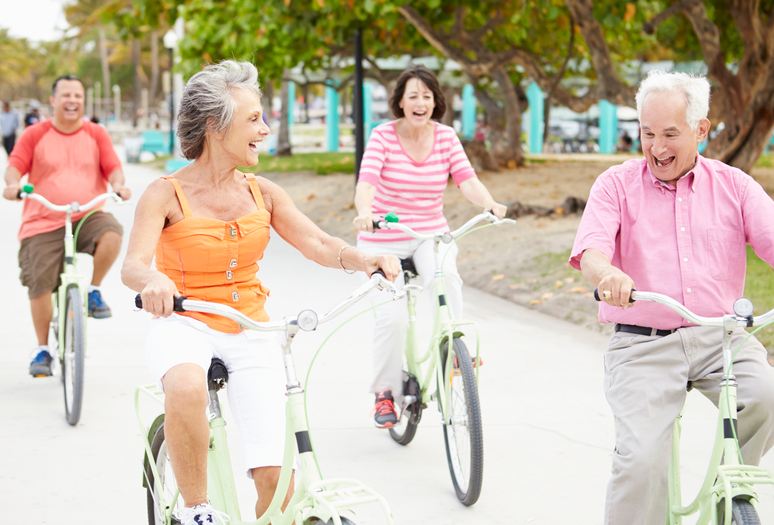
If you are in your 60s, you are living in one of the most important decades of your life. The choices you make right now will strongly influence how you feel in your 70s and beyond: how easily you move, how sharp your memory is, and how independent you can stay. Many people think “healthy aging” is about luck or genetics, but research on longevity and senior wellness shows that daily habits are even more powerful.
The good news is that it is never too late to build healthier routines. Even small changes in movement, sleep, social life, and everyday choices like alcohol or smoking can dramatically improve quality of life after 60. This guide will walk through 10 healthy habits to lock in before 70 to support active aging, better energy, and a stronger body and mind.
1. Move Every Day (In Short, Safe Bursts)
Daily movement is one of the most important healthy aging habits after 60. Engaging in physical activities helps keep your heart healthy. It also strengthens your muscles and bones, reduces your risk of developing type 2 diabetes, and lowers your risk of chronic diseases.
Brain wellness, mood boost, and sleep cycles also get a boost. If you wish to remain independent and avoid frailty, then senior fitness is a must.
Strenuous workouts or gym memberships aren’t essential in this case. In fact, for the vast majority of older adults over 60, the best exercise strategy is to move more, more often, and for shorter, comfortable movement sessions. Consider movement a daily remedy.
What counts as movement?
Almost anything that gets you up and moving can count as physical activity:
-
Walking at a steady pace in a neighborhood or mall.
-
Using a stationary bike at low intensity.
-
Swimming or water aerobics, which is gentle on the joints.
-
Chair workouts for those days when standing is not possible.
-
Spending time in the garden, cleaning, and walking.
Older adults are often advised to do at least 150 minutes of not-so-hard exercise per week, plus strength training on 2 or more days. Although this may seem daunting at first, it can be made feasible with short timeframes. Walking for 10 to 20 minutes, once or twice a day, quickly builds up.
Strength training for independence
Strength training is very important for people who are over 60. It helps you retain your muscle mass, achieve better balance and coordination, and make it easier to stand up from a chair, climb stairs, and carry grocery bags.
Simple strength exercises include:
-
Chair squats involve sitting down in a chair and standing back up.
-
Push-ups on the wall.
-
Exercises for arms and shoulders with a light resistance band or a dumbbell.
-
Raise the heels while holding the back of a chair.
These moves can be done at home and adjusted to any fitness level. If balance is an issue, many strength exercises can be done seated.
One habit to lock in
Set a “movement appointment” with yourself each day, just as you would a meeting. Choose a consistent time – after breakfast or after lunch, for example, and protect it. Begin with a brief walk and some gentle movement for 10 minutes and, if that feels comfortable, try to build up to 20-30 minutes. If you enjoy tracking your progress, you can use a step counter or a pedometer app to reach 6,000–8,000 steps a day slowly, or the number your doctor recommends for your situation.

2. Prioritize Balance and Fall Prevention
One of the biggest threats to healthy aging is falls. One fall could lead to broken bones, hospitalization, and loss of confidence. As we get older, balance, flexibility, and muscle strength naturally decline unless we work to maintain them. The encouraging news is that targeted balance training and fall‑prevention exercises can dramatically reduce fall risk.
Simple balance exercises at home
You do not need complicated equipment to work on balance. A few minutes a day of focused balance practice can make walking and daily movement feel more secure.
Try simple exercises such as:
-
Standing behind a chair, holding on lightly, and lifting one foot off the ground for 10–20 seconds at a time
-
Walking heel‑to‑toe down a hallway, as if on a tightrope, while holding a wall or rail if needed
-
Practicing slow sit‑to‑stand transitions from a sturdy chair
-
Gentle side‑to‑side weight shifts while holding onto a countertop
When you feel very unsteady, always use support. You may also want to work with a physical therapist who can create a personalized fall-prevention plan.
Activities that support balance
Certain activities are particularly powerful for balance and coordination:
-
Tai chi is a gentle form of physical exercise that emphasizes slow, controlled movements and awareness.
-
Modified chair or wall poses are part of senior yoga. These improve flexibility and stability.
-
If you are steady on your feet, walking on different outdoor surfaces (grass, soft hills) can safely challenge your balance.
One habit to lock in
Every day, add a 5-minute balance routine to something you already do. Try doing a few simple balance exercises, holding on to the countertop for support, after you brush your teeth or while waiting for the kettle to boil. With great consistency and frequency, your body and mind adapt – it can cope well.
3. Eat Like Your Future Self Depends on It
Nutrition is one of the pillars of healthy aging. What you eat in your 60s strongly affects your weight, blood pressure, cholesterol, blood sugar, and even your risk of cognitive decline. A nutrient‑dense diet also supports healthy bones, strong muscles, and better immune function.
A simple plate for senior nutrition
You do not need a complex diet plan to eat well after 60. Eating a Mediterranean-style or plant-forward diet is often recommended for heart and brain health. A simple formula for a plate helps.
-
Take vegetables and fruits in 5 colors on your plate for better health.
-
Add a quarter plate of lean protein (fish, chicken, beans, lentils, tofu, eggs).
-
Add a quarter plate of whole grains (brown rice, quinoa, oats, whole‑grain bread).
-
It is recommended to consume a limited amount of healthy fats, such as olive oil, nuts, seeds, or avocado, in moderation.
This pattern provides fiber, vitamins, minerals, antioxidants, and healthy fats that support overall wellness.

Key nutrients for adults over 60
As we age, certain nutrients become especially important:
-
Protein supports muscle maintenance and recovery. An important point to remember is that many elderly individuals do not do well with a single large serving.
-
Digestion, blood sugar control, and cholesterol lowering. Fruit, vegetables, whole grains, nuts, and beans are rich in it.
-
Calcium and Vitamin D are both necessary nutrients for bone health. It also helps reduce the risk of osteoporosis. Calcium is found in green leafy vegetables, fortified foods, and dairy products. Suppose vitamin D is not available in the form of sunlight.
One habit to lock in
Don’t ditch your diet. Just upgrade one meal of your day. For instance, breakfast may be improved by substituting sweet pastries for oatmeal with fruit and nuts or eggs with vegetables and whole‑grain toast. After that, normalize lunch or dinner. It is easier to stick with small changes than with strict diets.
4. Sleep 7-8 Hours Like It’s Medicine
Sleep is a powerful, often overlooked factor in healthy aging. Quality sleep supports memory, mood, immune function, weight control, and heart health. Many older adults struggle with sleep issues, trouble falling asleep, waking frequently, or waking too early, but improving “sleep hygiene” can make a big difference.
Building better sleep habits
Aim for a consistent sleep schedule: get up and go to bed around the same time every day, even on weekends. This helps regulate your internal clock.
Other helpful habits include:
-
Here’s a rotation consideration: dim lights, read a book, do some light stretching, or listen to music.
-
Steer clear of large meals, caffeine, and alcohol close to bedtime.
-
To Maintain a Bedroom Dark, Cool, and Quiet
-
Avoiding screens – such as phones, tablets, and televisions – for an hour before bedtime. The light can keep your brain awake.
When to talk to a doctor
Speak with your doctor about sleep apnea or other sleep problems if you are spending numerous hours in bed but still waking up exhausted and snoring, gasping, or stopping your breathing while sleeping. Treatments can significantly enhance sleeping patterns and overall health.
One habit to lock in
Have a pre-sleep routine of 20-30 minutes and do this daily. Over time, the brain will start associating these steps with sleep, and you will doze off quickly. Good sleep is a key stone for senior wellness, not a luxury.
5. Nurture Social Connections
Surprisingly, health is damaged by loneliness and social isolation. There are strong links between chronic loneliness and a high incidence of depression and heart disease. In contrast, social connection is perhaps the most powerful predictor of long life and emotional well-being.
Your 60s and 70s also cause your social circles to contract due to factors such as retirement, children moving, and the death of a spouse. For this reason, consciously developing and maintaining a social life is a healthy habit.
Easy ways to build connections
Social connections vary from person to person, depending on personality and interests. Consider:
-
Get involved with a local walking club, exercise class, or senior centre.
-
Engaging in spiritual or faith-based communities.
-
Joining clubs that cater to our hobbies, including gardening, crafts, reading, music, and dancing.
-
Doing work for issues that matter.
-
Participating in online communities or video calls if in-person meetings are hard.
What matters is knowing you. That’s what people mean by regular, meaningful contact: people who know you, listen to you, and share experiences with you.
One habit to lock in
Make it a point to schedule at least one social activity every week. Treat it as a medical appointment. It might be a phone call with a friend you have scheduled, a weekly community class, or Sunday lunch with family. Aiming for a little more connection? What could you do each day? Send one message, make one phone call, or invite someone to go for a short walk.
6. Keep Your Mind Busy and Curious
The brain thrives on challenge and novelty. Cognitive health and memory are influenced not just by genetics but also by how we use our minds. Continuing to learn and stay mentally active are key parts of healthy aging.
Brain‑friendly activities
You do not need expensive brain‑training apps to support mental fitness. Many everyday activities stimulate the brain:
-
Reading books, newspapers, or articles on topics you enjoy
-
Doing puzzles, crosswords, word games, or number games
-
Learning a new skill, like a language, musical instrument, or craft
-
Playing strategy games or card games
-
Teaching or mentoring others
Combining mental stimulation with social interaction is especially powerful – for example, joining a book club or attending classes.
One habit to lock in
The goal is to set aside 15-30 minutes each day for “brain time.” When you spend time in your head over that period, concentrate on something you find tricky, such as reading a non-fiction book, language practice, or learning a new song on your instrument. Soon enough, it can become as second Nature as brushing your teeth, keeping your mind sharp.
7. Stay on Top of Checkups and Screenings
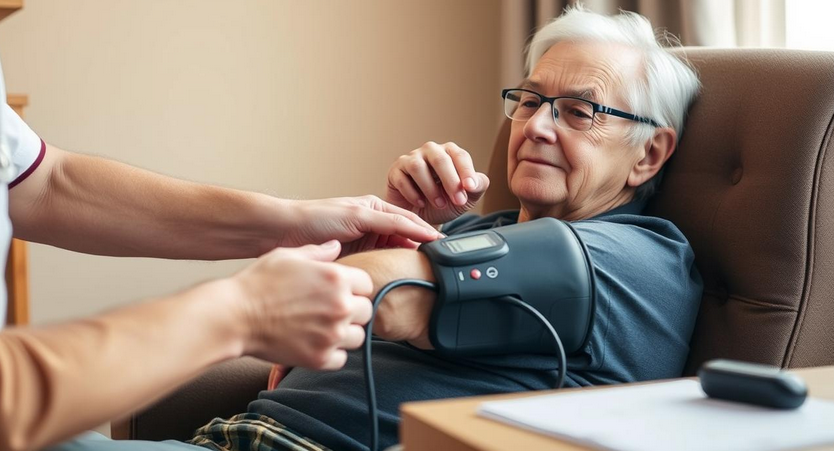
Preventive health care for active and healthy aging is important. There are several serious health problems, such as high blood pressure, high cholesterol, or type 2 diabetes, which can go unnoticed owing to a lack of symptoms. Regular examinations and screenings can catch issues sooner rather than later when they’re easier to treat.
Important areas to monitor
Discuss with your doctor which tests you need based on your age and health history. Shared spaces feature:
-
Blood pressure and cholesterol
-
Blood sugar or A1C to screen for diabetes
-
Bone density to check for osteoporosis
-
Cancer screenings (such as colorectal, breast, or prostate, depending on age and individual risk)
Do not overlook vision, hearing, and dental care. Poor hearing can contribute to social isolation and cognitive decline, while dental problems affect nutrition and overall health.
One habit to lock in
Create an annual health checklist. Pick one month each year, many people choose their birthday month, and schedule all routine checkups in that window. Keep a simple list of tests to ask about and results to track. This turns vague “I should see my doctor” intentions into a clear, manageable habit.
8. Tame Alcohol to Light or Moderate Levels
Alcohol affects the body differently as we age. Older adults often have less tolerance and may be taking medications that interact with alcohol. Heavy or even regular moderate drinking can worsen high blood pressure, sleep quality, liver health, falls, and cognitive decline.
Rethinking alcohol in your 60s
Light or moderate drinking may be safe for some people, but it is important to be honest about how much you drink and how it affects you. Ask yourself:
-
Do you drink more than a couple of days per week?
-
Have you noticed that alcohol worsens your sleep, mood, or blood pressure?
-
Do you rely on drinking to relax or cope with stress?
Your doctor can help you decide what level, if any, is appropriate for your situation.
One habit to lock in
Try establishing at least two alcohol‑free days each week. When you drink, pour smaller servings and take a break after one drink, then have water or another non-alcoholic beverage. There are alternatives, for instance, drinks without liquor, such as natural product-enhanced sparkling waters, homegrown teas, or mocktails. Even small decreases can improve sleep, stabilise mood, and increase energy levels.
9. Quit Smoking (Even If You’ve Smoked for Decades)
One of the most powerful things in life you can do for your health at any age is to quit smoking. Many people in their 60s think it is “too late” to make a difference. Still, research shows that smoking cessation quickly starts to improve circulation, lung function, and heart health, and reduces the risk of stroke, cancer, and respiratory illness.
Why is it never too late?
After quitting smoking:
-
Heart rate and blood pressure begin to improve within days.
-
Lung function starts to recover over weeks to months.
-
The risk of heart disease and stroke decreases over time.
-
Coughing and shortness of breath often improve, making daily activities and exercise easier.
Quitting can also enhance taste and smell, improve skin health, and save significant money.
Getting support to quit
Quitting is hard, especially after many years, but you do not have to do it alone. Talk to your healthcare provider about options such as nicotine replacement (gum, patches, lozenges), prescription medications, or counseling. Many communities and national organizations offer free quit‑lines and coaching.
One habit to lock in
If a firm commitment to quitting is unrealistic, then choose a “practice quit.” Pick a smoke-free week, use tools, and ask friends or family for help. View it as a trial to discover what benefits improve your cravings and triggers. Ensure you set a quitting date well in advance of when you want to quit, so you can prepare.
10. Protect Your Mood and Stress Levels
Mental and emotional health are central to overall wellness. Chronic stress, grief, anxiety, and depression can harm sleep, blood pressure, immune function, and quality of life. Many adults over 60 experience significant life changes, such as retirement, illness, caring for a partner, or the loss of a loved one. These situations can weigh heavily on the mood.
Everyday tools for stress management
A daily stress‑management habit does not need to be elaborate. Simple practices can calm the nervous system and improve resilience:
-
Being out in Nature, or the outside world
-
Nice light stretching, yoga, or tai chi.
-
Breathe out, exercise, or guided relaxation.
-
Take some time alone.
-
Writing in a diary or gratitude list.
-
It is fun to go for art-related hobbies like painting, music, or gardening.
The key is consistency-small daily moments of calm instead of waiting for a major break.
When to seek help
If you notice persistent sadness, loss of interest in activities, strong anxiety, changes in appetite or sleep, or thoughts that life is not worth living, it is important to talk to a healthcare professional. Depression and anxiety are medical conditions, not personal weaknesses, and effective treatments, including therapy, support groups, and medication, are available.
One habit to lock in
Set aside at least 10 minutes a day for a “calm practice” that works for you. It might be a short walk, a few minutes of breathing exercises, or a page of journaling. Protect this time the same way you would protect a medical appointment. Over time, this contributes to better mental health and healthier stress responses.
Putting It All Together: A Gentle 30‑Day Habit Plan.
These 10 habits might sound like a lot, but you do not need to change everything at once to enjoy the benefits of healthy aging. A simple way to get started is to focus on just one or two habits each week and gradually layer them in.
Here is a gentle 30‑day structure:
-
Week 1:
-
Start your daily movement appointment (even just 10 minutes).
-
Begin a consistent sleep routine and bedtime wind‑down.
-
-
Week 2:
-
Upgrade one meal a day to a more Mediterranean‑style plate.
-
Schedule one weekly social activity and one short daily connection.
-
-
Week 3:
-
Make your annual health checklist and schedule any needed checkups.
-
Add a daily “brain time” session for reading, puzzles, or other learning activities.
-
-
Week 4:
-
Set alcohol‑free days or reduce alcohol intake if you drink.
-
If you smoke, plan a quit attempt or a practice quit.
-
Choose one daily stress‑management habit and stick with it.
-
By the end of a month, you will have begun building a lifestyle that supports senior wellness, active aging, and long‑term independence. The goal is not perfection; it is slow, sustainable improvement.
Your Next Step
Healthy aging is not about chasing youth or avoiding every wrinkle. It is about having the strength, energy, and clarity to enjoy your life, your relationships, and your independence as long as possible. Small, consistent habits make the biggest difference.
Choose just one habit from this list that feels both important and realistic for you right now. Write it down, put it on your calendar, and commit to practicing it every day for the next week. Then, when that feels more natural, add another.
If you want, share your chosen habit and your age in your blog or community comments section. This not only builds accountability but also inspires others in their 60s and 70s to make positive changes alongside you.
