

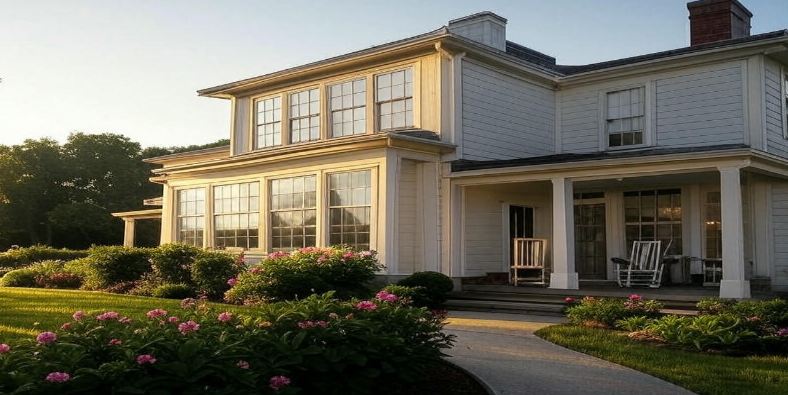
When picking a retirement home, it is a real estate decision, a choice of a person, financially and emotionally. Your daily life is shaped by your wealth, whether in terms of supplies or money, along with the safety that you feel and the liberty and joy that you end up enjoying when you grow old.
Understanding Modern Retirement Homes
Nowadays, retirement homes are much more than “senior housing.” These are locations where older individuals can live independently, to a degree that suits their comfort level and space, with help on hand. A retirement community that feels like a home is a well-designed space that offers a blend of privacy and community, with enhanced on-site services that make everyday living easier.
Many retirement homes focus on:
-
Independent living for healthy, active seniors.
-
Access to support services such as housekeeping, maintenance, and emergency response.
-
Residents of the same age living in the society only.
Many retirement communities offer a safe atmosphere, services, and a way of life to fit your needs.
Step 1: Start With Honest Self‑Evaluation
The first step in their search for the right retirement residence is a clear self-assessment of their needs, resources, and priorities. During this reflecting stage, you get to determine what a “good life” in retirement is for you – no one else.
Consider these key questions:
-
Health status: Are you fully independent now, or do you need some help with daily activities such as cooking, cleaning, or mobility?
-
Age and long‑term outlook: Are you planning for the next 5 years or the next 20? This will influence whether a simple independent living community is enough or whether you should consider a continuing care retirement community (CCRC).
-
Finances and retirement fund: What monthly housing budget can you comfortably afford without “counting pennies” in your later years?
-
Family and spouse: Is your spouse or partner dependent on you, and will you both be moving together?
-
Lifestyle and hobbies: Do you want an active senior living community with fitness classes and trips, or a quiet, low‑key environment?
-
Values and beliefs: Would you like a community with a particular religious or cultural orientation?
Being brutally honest at this stage helps you avoid falling in love with a beautiful building that does not actually fit your needs or budget.
Using a Personal Needs Checklist (LSI: retirement home checklist)
A checklist that’s in writing makes vague preferences specific selection criteria. It is a good idea to create a list of factors to use when objectively comparing retirement homes.
Typical must‑haves might include:
-
Elevator or ground‑floor access.
-
24/7 emergency call system.
-
Safe, walkable surroundings.
-
Medical services are within a short drive.
Typical nice‑to‑haves might include:
-
Fitness Centers or Pools on Premises
-
Allotment Garden.
-
Pet policies.
-
Salon/spa on-site.
This personal retirement home checklist will guide every other decision and prevent you from being swayed solely by décor or marketing brochures.
Step 2: Research Options Thoroughly
As soon as you know what you need for your retirement, opt for a good retirement community. During the research phase, effective comments from friends and the use of the internet and brochures are helpful.
Online Research and Shortlisting (LSI: senior living communities, retirement communities near me)
Use phrases like “independent senior living” and “55+ communities” in addition to “retirement communities near me” to refine your search for your city. Create a draft inventory of people who fit your lifestyle, budget, and geographic preferences.
Then:
-
Visit each community’s website to review floor plans, services, amenities, and photo galleries.
-
Download or request brochures to get more detailed descriptions and pricing ranges.
-
Note any communities that emphasize the type of lifestyle you want, such as active adult living, resort‑style retirement, or faith‑based communities.
From here, compare what you see with your original checklist and narrow your list to a realistic set of top contenders.
Tapping Reviews, Forums, and Word of Mouth
What residents and their families have to say often reveals what’s left out of the brochures. Check senior living directories, local discussion boards, or social media for opinions on each retirement community.
When possible:
-
Inquire if your friends, relatives, and colleagues know a community member.
-
Participate in online retirement planning or senior living discussions to inquire about properties.
-
Please note similarities between reviews; for instance, their staff is consistently commended for being nice, or they always say the maintenance is poor.
The real experience, not just the brochure promises, reflects daily life at every retirement home.
Step 3: Choose the Right Location
Not every retirement home will meet the resident’s requirements.
Depends on the location and the type of place. People might assume that the best luxury apartment is the best place. But this is not true if the luxury apartment does not offer you the choice to connect with your family or the person who requires healthcare.
Proximity to Family, Healthcare, and Essentials
Essential questions about location are as follows: before investing, ask how this location fits into everyday needs:
-
How close is the community to family or friends who may visit regularly?
-
Is there a reliable hospital, clinic, or general physician within a short, practical distance?
-
Are everyday essentials-grocery stores, pharmacies, post office, banks-easily accessible?
-
Is public transportation available if you no longer wish to drive?
As we get older, a good retirement home that is properly located will reduce stress, support our independence, and make it easier to.
Neighborhood Feel and Safety (LSI: safe retirement communities)
Location is not only about distance; it is about the character and safety of the neighborhood. During your research and tours, pay attention to how the area feels at different times of day and how comfortable you would feel walking around.
Take time to:
-
Visit the neighborhood in person, not just virtually.
-
Observe noise levels, traffic, and general cleanliness.
-
Ask staff or residents about security measures in both the community and the surrounding area.
A retirement community must mirror your personality and pace of life, making you feel safe and welcome.
Step 4: Evaluate Lifestyle, Services, and Amenities
Living in a retirement home is enjoyable, as it offers services and a community. It takes away the burden of heavy duties that we have each day and opens up space for more fun, friends, and fun.
Core Services You Should Expect
Nevertheless, most upscale retirement homes include some basic services in the fee. Always ask which services are included and which cost extra before you commit to any facility.
Common services include:
-
Housekeeping and linen service
-
Maintenance for appliances, plumbing, and communal areas
-
Landscaping and care of communal gardens
-
Reception or concierge services
-
24/7 emergency call systems and staff availability
Request from every retirement home a clear list of services included, optional add-ons, and the corresponding prices for each. Clarity in such matters enables long-term budgeting and peace of mind.
Amenities That Shape Daily Life (Independent living amenities)
The services you receive will establish the essence of the retirement home’s activities. Choose the amenities that you will actually use and enjoy, rather than ones that are appealing to the eye or exquisite, and those that will assist you in achieving your hobby and well-being goals.
Popular amenities include:
-
Fitness center, walking paths, or swimming pool
-
On‑site dining room, café, or bistro
-
Library, game rooms, and hobby or craft spaces
-
Organized social events, clubs, lectures, and trips
-
Worship spaces or chapels in faith‑based communities
If a retirement home has the correct number and quality of amenities, it can give each day purpose.
Step 5: Inspect Design, Accessibility, and Comfort
As a resident, the most powerful constraints affecting you are the design of your unit and community, as well as your comfort and security. The architectural feature might make your life easier or more complicated as you age on a macro, micro, or mezzo scale.
Accessibility and Mobility Features (LSI: age‑friendly design)
If you have mobility issues already or would like to plan this out, details matter. Make sure to take note of how you would move through the space daily.
Important factors include:
-
Ground‑floor apartments or reliable elevators if climbing stairs is an issue.
-
Wide hallways and doorways that can accommodate mobility aids.
-
Non‑slip flooring and grab bars in bathrooms.
-
Adequate lighting in corridors, entrances, and stairways.
It is possible to age safely in a well-planned retirement apartment, without a sudden future move.
Space Planning and Personal Belongings
In addition to safety, you must also check whether the unit’s size and layout really fit your lifestyle. When you walk through the rooms, consider furniture placement.
Ask yourself:
-
Will your favorite bed, chairs, or dining table fit comfortably?
-
Is there enough storage for clothes, books, and keepsakes?
-
Does the kitchen fit your level of cooking activity, whether you cook every day or prefer community dining?
The right retirement home should feel like a home, not a hotel room; good space planning is what makes that possible.
Step 6: Understand Costs, Contracts, and Financial Options
It is often the last major hurdle to take on the retirement home costs and benefits; it can seem scary. If you have a sound financial plan, your retirement will be comfortable, and you won’t run out of money early.
Breaking Down Fees and What They Include
Charges for retirement homes include an upfront fee and a monthly fee. Your housing, utilities, and essential services are covered in any subscription with access to basic amenities. Premium services are charged additionally.
When reviewing costs:
-
Ask for a detailed breakdown of all recurring monthly fees.
-
Clarify which services are included and which are optional extras (for example, additional housekeeping or personal care).
-
Inquire about annual increases or cost‑of‑living adjustments.
For you to build a retirement portfolio that accumulates enough funds to finance your retirement, you need to have a complete picture of your finances.
Financing, Mortgages, and Home Exchange Options
Don’t worry about your project’s budget; there are various funding options available. Some buyers obtain a special retirement home mortgage, while others sell their home or use a reverse mortgage. Don’t
Common approaches include:
-
Selling your existing home outright to free up capital
-
Using equity from your current property to fund the purchase
-
Exploring any exchange schemes the community or associated developers might offer
A financial adviser is probably not the first person you think of when considering the idea of a retirement home. You should add yourself, however.
Step 7: Visit, Compare, and Trust Your Instincts
After doing your research and shortlisting, a visit to your top retirement homes is a must. Tours allow us to discover details about the atmosphere, staff attitude, and residents’ happiness that no website can provide.
Touring and Talking With Residents
During your visit:
-
Walk through both shared spaces and sample apartments.
-
Eat a meal in the dining area to experience food quality and social atmosphere.
-
Watch how the staff members treat the residents. Are they respectful, patient, and friendly?
-
Engage in casual dialogue with residents regarding their favourite, enjoyable, and frustrating things.
This direct insight from the people who actually live there is often your most reliable guide to daily life in the community.
Comparing Final Choices With a Simple Matrix
After touring your favorites, a simple comparison sheet or spreadsheet will help you compare how each community performs on the factors that are most important to you.
A simple table might include:
-
Location and nearby services
-
Apartment design and accessibility
-
Included services and amenities
-
Monthly cost and fee structure
-
Resident satisfaction and atmosphere
Seeing all of this side by side makes it easier to choose the retirement home that truly aligns with your lifestyle, personality, capabilities, and budget.
Bringing It All Together
The “best retirement home” is not the most expensive or the most luxurious; it is the one that fits you so well that life feels easier, safer, and more joyful every day. By going through the process of honest self-evaluation, research, location analysis, lifestyle and design review, financial clarity, and in-person visits, you substantially enhance your prospects of finding a retirement community where you can flourish.
