

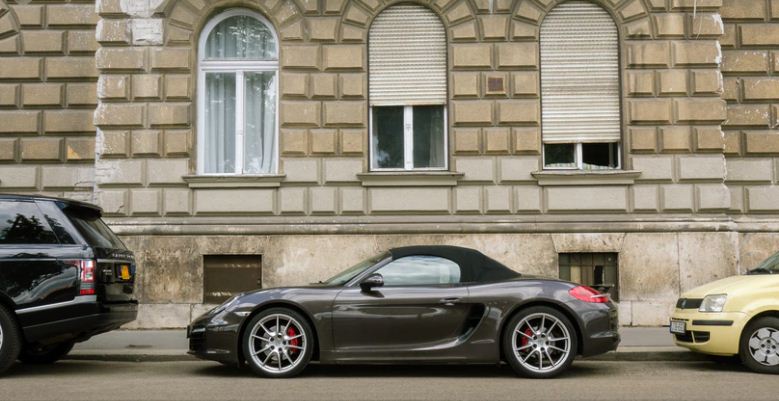
Buying a luxury car is unlike buying any other type of wheeled vehicle. When weighing the merits of an SUV, you’re not just thinking about horsepower and cargo space; you’re also considering image, comfort, and technology, and the way you feel once you close the door and everything becomes silent. That’s exciting, but it’s also when people make costly mistakes.
A luxury car can be a great purchase but it will take time to understand whether it is suitable for your lifestyle. This guide will take you through the traps that first-time buyers fall in again and again: underestimating total cost of ownership and ignoring depreciation to name a few. If you are a car owner, car buyer and a car enthusiast considering a luxury brand, this guide is for you.
Mistake 1: Focusing Only On The Sticker Price
One of the most serious mistakes that people often make is treating a luxury car like any other car at the time of purchase. You spot a number on the windscreen, haggle it down a bit and think that’s the biggest financial hurdle. The truth is, the sticker is only the start.
Ownership costs like depreciation, insurance, fuel, financing fees and maintenance for several years rather than down payment, emerge as one of the key aspects in buying guides and ownership reports. For instance, Kelley Blue Book segments cost-to-own into five broad categories whereby depreciation and insurance are often the biggest chunks.
According to a few ownership studies, many new luxury vehicles can lose nearly 60 percent of their value in the first five years. If you intend on quickly trading out of the vehicle or stretched your budget to make a buying decision, that’s going to be a painful hit.
Quick steps to avoid this mistake
-
Use a cost of ownership calculator or research 5-year ownership costs for the specific model you’re considering.
-
Look up real-world depreciation trends for that brand and model, not just generic luxury averages.
-
Ask yourself honestly how long you’re likely to keep the car and whether you’re comfortable with its expected value loss.
One buyer summed it up well: “I could afford the payments. What I couldn’t stomach was how little it was worth three years later.”
Mistake 2: Ignoring Maintenance And Repair Costs
Another classic mistake is underestimating how much it costs to keep a luxury car in top shape. The purchase price might feel manageable, but the ownership costs slowly add up.
Dealerships and independent shops point out that luxury brands often:
-
Require specialized parts that cost more than those for mainstream vehicles
-
Need technicians with brand-specific training, which can mean higher labor rates
-
Have more complex technology and suspension systems that are expensive to diagnose and repair
Maintenance guides note that even routine services like oil changes, brake replacements, and tire rotations can be more expensive on high-end vehicles. Owners on forums regularly warn that “buying a luxury car isn’t the expensive part; maintaining it is,” especially if you plan to keep it beyond the factory maintenance and warranty period.
Tips to keep maintenance from becoming a nasty surprise
-
Research typical 10-year maintenance costs for the brand and model. Sites that rank luxury cars by maintenance expense can offer helpful benchmarks.
-
Ask the dealer or a trusted mechanic for average costs of major services and common repairs.
-
Budget a realistic monthly amount for maintenance and repairs, even if you don’t spend it every month.
If the long-term numbers make you nervous, consider a certified pre-owned (CPO) model with warranty coverage, or choose a brand known for lower maintenance costs among luxury options.
Mistake 3: Forgetting About Luxury Car Insurance
Insurance on a luxury car isn’t just a little higher. It can be dramatically more expensive than insurance on a regular sedan, especially for certain brands and models.
Insurance specialists explain that luxury car policies often:
-
Provide higher coverage limits to reflect the car’s value
-
Offer options like agreed-value coverage for exotic or rare models
-
Account for much higher repair and parts costs
One insurance guide notes that insuring mainstream luxury brands (like Lexus, Audi, BMW, or Mercedes) can easily run in the $2,100–$3,500 per year range, while exotic brands (like Maserati, Aston Martin, or Bentley) can reach $5,500–$6,600 per year or more.
How to avoid the insurance shock
-
Get insurance quotes on the exact car (or a close VIN) before you sign anything.
-
Ask about coverage options specific to luxury vehicles, such as agreed value or replacement value, and factor them into your budget.
-
Consider how tickets, accidents, or younger drivers on your policy could affect those premiums over time.
Assuming “it’ll be about the same as my current car” is one of the fastest ways to strain your budget.
Mistake 4: Skipping A Pre-Purchase Inspection (Especially For Used Luxury Cars)
Purchasing a used luxury car without a professional pre-purchase inspection (PPI) is one of the most common costly blunders car shoppers make. An increasing number of cars are turning out to be high-tech. They come fitted with air suspensions, advanced driver aids and plush materials which could be detrimental to one’s pocket.
PPIs or pre-purchase inspections are detailed inspections performed by a certified mechanic or brand specialist to assess mechanical, cosmetic and safety conditions.
A thorough inspection can:
-
Identify existing issues that the seller may not disclose
-
Highlight future problems likely to appear based on wear or past damage
-
Confirm whether previous accident repairs were done properly
Typical inspections cost around $100–$200 for standard vehicles, and more for modern luxury cars that require deeper diagnostics. That’s still tiny compared to the cost of a major engine, transmission, air suspension, or electronics failure.
Things your inspection should cover
-
Mechanical systems: engine, transmission, suspension, brakes, and steering
-
Electronics and tech: infotainment, driver-assistance systems, cameras, sensors, and seat controls
-
Interior and exterior condition: signs of accident damage, water leaks, or neglect
-
A thorough test drive on different road types to check ride quality and noises
One used-car buying guide puts it bluntly: a PPI can help you avoid overpaying for a car that will need thousands in repairs right after purchase.
Mistake 5: Not Researching The Car’s History And Records
It’s surprisingly common for buyers to ask for a vehicle history report and then not really read it. Some skip it entirely if the car looks clean and the price feels right. That’s risky, especially with a high-value luxury car.
Used luxury guides and brokers emphasize:
-
Reviewing vehicle history reports to check for accidents, title issues, and odometer discrepancies.
-
Looking for service records, since high-end cars that miss scheduled maintenance can become money pits.
-
Checking for consistent mileage and usage; very low mileage isn’t always good if the car has barely been driven and maintained.
If a seller refuses to provide history or inspection reports, that’s a red flag. Several experts simply advise walking away in those cases.
Red flags in history and records
-
Multiple accidents or major structural repairs
-
Long gaps with no recorded maintenance
-
Salvage or rebuilt titles
-
Signs of flood or water damage
For luxury models, even tech features like panoramic roofs, adaptive suspensions, and advanced audio systems should be tested carefully; fixing them later can be very expensive.
Mistake 6: Buying For The Badge, Not Your Real Needs
It’s easy to get swept up in the idea of owning a particular luxury car brand because of its reputation or how it looks in the driveway. But if you buy something that doesn’t fit your lifestyle, you’ll feel it every day you drive.
Common examples:
-
Choosing a low-slung coupe when you really need easy access for kids or older family members
-
Going for a high-performance model when you mostly sit in city traffic and hate firm suspensions
-
Buying a huge SUV just because it feels prestigious, even though you live in a tight city and rarely use the extra space
Articles on luxury vehicle ownership emphasize being honest with yourself about how you drive, where you park, and who rides with you, rather than chasing specs you’ll rarely use.
Questions to sanity-check your choice
-
How many people do I regularly carry, and how often?
-
What’s my daily route like: tight city streets, highways, rough roads?
-
Am I okay with higher fuel use, or do I want something relatively efficient?
A buyer once admitted, “I bought a performance sedan for the Autobahn I don’t have, then spent three years crawling through traffic in Comfort mode.” It’s funny, but also a reminder to match the car to your real life.
Mistake 7: Underestimating Depreciation And Exit Strategy
Every car depreciates, but high-end models can drop faster and further in dollar terms. That doesn’t mean you shouldn’t buy a luxury car; it just means you should go in with a clear exit strategy.
Depreciation guides note that new vehicles lose value quickly, often 20 percent or more in the first year, with some luxury cars losing up to 60 percent over five years. The total cost-of-ownership framework treats depreciation itself as one of the biggest ownership costs.
Ways to be smarter about depreciation
-
Consider lightly used or CPO luxury cars, where someone else has absorbed the steepest early depreciation.
-
If buying new, choose models and trims with historically better resale value.
-
Think about how long you’ll keep the car and how much its future value matters to you.
If you know going in that you’ll hold the car for 7–10 years and drive it heavily, depreciation may bother you less than if you plan to trade every 3 years.
Mistake 8: Not Planning Your Financing Or Payment Strategy
Luxury car payments can look manageable on paper, especially if a dealer stretches the loan term. The danger is locking yourself into a long, expensive loan on a rapidly depreciating asset.
Financing tips for luxury car buyers often include:
-
Avoiding very long loan terms where you’ll be “upside-down” (owing more than the car is worth) for years.
-
Considering putting more money down if you want to keep payments controlled and reduce interest costs.
-
Exploring leases if you prefer newer cars more frequently and don’t mind mileage limits and wear policies.
Some advisors specifically warn used luxury buyers not to fund a car entirely on debt if they don’t have strong reserves, given the added risk of unexpected repair bills.
A Quick Pre-Purchase Checklist For Luxury Buyers
To pull this all together, here’s a concise checklist you can use before you commit to any luxury car purchase.
-
Research total cost of ownership (depreciation, insurance, fuel, maintenance).
-
Get insurance quotes on the specific model and trim.
-
Order a vehicle history report and gather service records (for used cars).
-
Schedule a pre-purchase inspection with a qualified mechanic or brand specialist.
-
Test all technology, comfort features, and driver-assist systems thoroughly.
-
Match the car to your real driving needs, not just your dream scenario.
-
Plan your financing or payment strategy and make sure it fits your overall financial picture.
If you walk through those steps, you’re already avoiding most of the big mistakes.
Conclusion: Let Luxury Feel Amazing, Not Stressful
Purchasing a luxury automobile should be a positive milestone and not a burden. Incredible are the cars themselves. They are quiet and powerful, comfortable and packed with technology that makes everyday driving special. Issues arise when customers pursue the dream without groundwork on costs, condition and fit for their actual lives.
If you truly understand total ownership costs, and you insist on a proper inspection, and you check history and record, and you take a car that fills a proper need of yours, you will enjoy luxury without stress. Now, all you need to do is take one model you’re serious about and run it through the checklist above. The car you hate now could be one you love every time you press the start button with just a bit of extra effort.
