

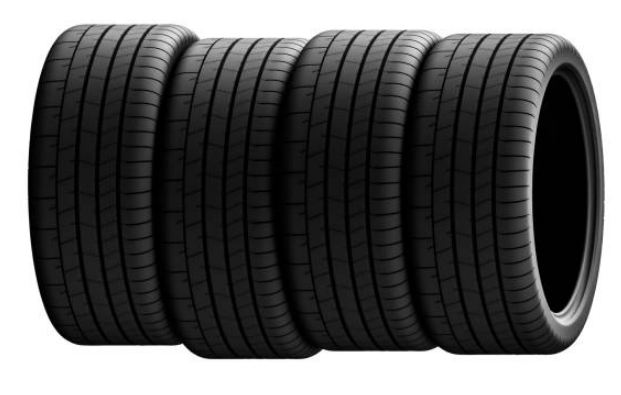
If you’ve ever hopped on the highway a little quickly and thought, ‘Wow, that felt nice,’ you already know why people are so obsessed with performance tires. You can expect enhanced steering, improved traction, and a more immersive connection with the road.
But, if you’re like most car owners, family drivers or small-business operators, you may be thinking: are they really worth the extra money and shorter tread life? Do they just overkill for real-world driving?
This guide explains what performance tires are, how they differ from touring or all season tires, and when performance tires make sense in your everyday life. In conclusion, you’ll be able to answer the question “Should I buy performance tires’ with clarity. It’s centered around actual driving practices, not just what looks impressive on paper.
What Are Performance Tires, Exactly?
Despite the marketing gloss, performance tires have a pretty straightforward purpose: maximize grip and handling, especially at higher speeds and during dynamic maneuvers like hard cornering and quick lane changes.
Tire manufacturers describe performance tires as specialized passenger tires designed to:
-
Enhance handling and stability
-
Increase traction in dry and wet conditions (above cold-winter temps)
-
Deliver quicker steering response and better road feel
They usually accomplish this with:
-
Softer rubber compounds that “stick” to the road more aggressively
-
Stiffer sidewalls that flex less in corners, keeping the contact patch more stable
-
Lower profiles (shorter sidewalls) for better steering feedback
-
Sport-oriented tread patterns that prioritize grip and responsiveness over quiet comfort
In simple terms, touring tires are built to make the ride comfortable and long-lasting. Performance tires are built to make driving feel precise, responsive, and fun.
Types of Performance Tires You’ll See
Not all performance tires are created equal. You’ll see a few common categories, especially when shopping online or at a tire shop.
High-Performance and Ultra-High-Performance (UHP) Tires
These are often marketed for sporty sedans, coupes, and some EVs.
Typical characteristics:
-
Strong grip in dry and wet conditions when temperatures are above about 7°C / 45°F
-
Stiff construction for crisp, predictable handling
-
Shorter tread life compared with touring or standard all-season tires
Many UHP tires are available in summer or all-season performance versions, with summer versions focusing purely on warm-weather grip.
Max-Performance Summer Tires
This is where you’re getting close to track-level grip for street use. Tests comparing ultra-high-performance vs max-performance summer tires show that max-performance models prioritize ultimate traction and steering precision, especially in the dry.
They:
-
Use very soft compounds for maximum grip in warm weather
-
Provide outstanding cornering, braking, and high-speed stability
-
Are not suitable for cold weather, snow, or ice; they harden and lose grip when temperatures drop.
If you’ve ever heard the phrase “summer performance tires,” this is what people are talking about. They’re phenomenal in the right conditions and borderline dangerous in the wrong ones.
Performance Tires vs Touring and All-Season: What’s The Real Difference?
To decide whether you should purchase performance tires, it helps to compare them directly with more “normal” options.
Tire experts summarize it like this:
-
Touring tires focus on comfort, long tread life, lower noise, and decent all-weather capability. They’re aimed squarely at everyday drivers.
-
All-season tires aim for versatility: good enough in dry, wet, and light winter conditions but not exceptional in any one area.
-
Performance tires sacrifice some comfort, tread life, and sometimes cold-weather performance to deliver sharper handling and stronger grip.
One comparison from a tire retailer sums it up well: performance tires are best for dynamic handling and traction in high-performance driving, while touring tires are best for comfort, durability, and fuel economy in day-to-day driving.
In other words, performance tires aren’t “better” across the board. They’re better for specific priorities.
What You Actually Get From Performance Tires
So what do performance tires change in real life, beyond marketing buzzwords? Tire manufacturers, testers, and experienced drivers consistently point to a few key benefits.
Sharper Handling and Steering Response
Because of their stiffer sidewalls and specialized construction, performance tires respond more immediately to steering inputs.
That translates into:
-
More precise lane changes at highway speeds
-
Reduced “mushy” or vague steering feel
-
Greater confidence when you need to make sudden maneuvers
One explanation notes that the internal structure of performance tires resists flexing under load, so your steering input translates more directly into what the car does.
Better Grip in Warm, Dry, and Wet Conditions
Summer and performance-oriented all-season tires use compounds and tread patterns that prioritize traction and braking when the roads are warm and either dry or wet.
Compared to typical all-season tires, performance tires generally offer:
-
Shorter stopping distances in dry conditions
-
Stronger grip when cornering at speed
-
Improved stability under hard braking and acceleration
One industry comparison points out that summer and performance tires use softer rubber that provides better dry and wet grip than all-season tires when temperatures are above freezing.
Enhanced Road Feel and Driving Enjoyment
For many enthusiasts, this is the real reason they choose performance tires. The car feels lively and expressive because of them.
Manufacturers define performance tires as concentrating on the road feel and feedback, and keeping a more consistent touch with the road so you can better feel grip levels and adjust accordingly.
On a winding back road, a spirited drive makes a difference in performance and contour.
The Trade-Offs: Where Performance Tires Fall Short
Of course, these benefits come with some real downsides. It’s important to be honest about them, especially if you’re a daily driver, parent, or small business owner trying to manage costs.
Common drawbacks of performance tires include:
-
Shorter tread life: Softer rubber wears out faster. Some daily drivers see performance tires last 20,000–30,000 km (or comparable miles), much less than a typical touring tire.
-
Harsher ride and more noise: Stiffer sidewalls and aggressive tread can mean less cushion and more road feel than you want, especially on rough pavement.
-
Worse in cold weather: Most performance tires, especially summer versions, lose grip as temperatures drop and are not meant for snow or ice.
-
Potentially higher cost: You often pay more per tire, and you may replace them more often, increasing long-term costs.
Enthusiasts on car forums often say something like, “Touring tires are what you want for fuel economy, road noise, and tread life; performance tires are what you want for maximum on-ramp entry speed.” That tongue-in-cheek line captures the trade-off pretty well.
Are Performance Tires Worth It For Daily Driving?
This is the big question. The answer depends on your priorities and your environment.
Experts and tire guides generally agree: performance tires can be worth it for daily driving if:
-
You drive a sportier car or performance sedan designed to take advantage of better grip.
-
You live in a climate where it’s warm most of the year and you’re not dealing with frequent snow or ice.
-
You genuinely care about how your car feels in corners, during lane changes, and under braking.
If smooth road with maximum efficiency is your everyday situation then you can choose a good touring or all-season tires that focuses on comfort and longevity and which is capable to offer a decent experience in all seasons.
According to one tire shop that caters to average drivers, performance tires are designed for maximum grip in dry and wet conditions (over 7°C) and little more. That trade-off isn’t right for many families.
Quick Self-Assessment: Should You Purchase Performance Tires?
Here’s a simple way to sort yourself out.
Performance tires might be a good fit if you:
-
Drive a sporty coupe, hot hatch, performance sedan, or higher-powered EV
-
Live in a region with mild winters or run a dedicated winter tire in the cold season
-
Enjoy spirited driving when it’s safe and legal, and you value feel and precision
-
Don’t mind replacing tires more often in exchange for better grip and response
You’re probably better off with touring or all-season tires if you:
-
Drive mainly in stop-and-go city traffic, school runs, or long highway cruises
-
Live in a place with harsh winters and don’t want to manage multiple sets of tires
-
Care more about low noise, comfort, and long tread life than about cornering limits
-
Want a “set it and forget it” tire choice for your family vehicle or work car
One driver I know switched from performance tires to more comfort-focused touring tires after having kids. She said, “I miss the sharp turn-in a little, but I don’t miss the road noise or replacing them every other year.” That’s a perfectly valid choice too.
How To Shop For Performance Tires If You Decide To Go For It
If you’ve decided performance tires are worth exploring, a little strategy helps you get the best match for your car and driving style.
Key factors to consider:
-
Type of performance tire: Decide if you want a summer performance tire (best warm-weather grip, useless in snow) or an all-season performance tire (compromise grip for more versatility).
-
Your climate: If you see freezing temperatures or snow regularly, plan to run winter tires in the cold months.
-
Load and speed ratings: Make sure the tires meet or exceed your vehicle’s recommended specs.
-
Wet performance: Look for independent test results on wet braking and hydroplaning resistance, not just dry grip.
-
Noise and comfort ratings: Some performance tires strike a better balance than others.
Actionable steps when buying:
-
Check your owner’s manual and door jamb sticker for recommended tire size and ratings.
-
Decide if you’ll pair performance tires with dedicated winter tires.
-
Review test results and user reviews that focus on daily driving, not just track use.
-
Ask your tire shop for options that match your car, climate, and budget, not just the sportiest model available.
Pros and Cons Summary: Performance Tires At A Glance
To help lock this in, here’s a condensed view.
Pros of performance tires:
-
Stronger dry and wet grip in warm conditions
-
Sharper handling, quicker steering response, better road feel
-
Can unlock more of your car’s capability and make driving more enjoyable
Cons of performance tires:
-
Shorter tread life and higher long-term cost
-
Often noisier and less comfortable than touring tires
-
Poor performance in cold, snowy, or icy conditions (especially summer versions)
Conclusion: So, Should You Purchase Performance Tires?
Performance tires can be one of the most rewarding upgrades you can make if you’re the type of driver who actually notices how the car turns, stops, and feels through the wheel. Not solely for the racetrack, they can enhance everyday driving, making it feel more confident and connected, especially in warm dry and wet conditions.
They are not the obvious option for everyone. Families may be better off with high-quality touring or all-season tires as well as dedicated winter tires (where needed). So too would budget-conscious commuters and drivers in harsh winter climes.
The best decision is to be honest about your driving and what will suit your actual life, not just your fantasy one, and then choose the tire accordingly. If a perfectly sculpted highway on-ramp makes your heart sing, then you should definitely consider performance tires to elevate your driving experience.
