

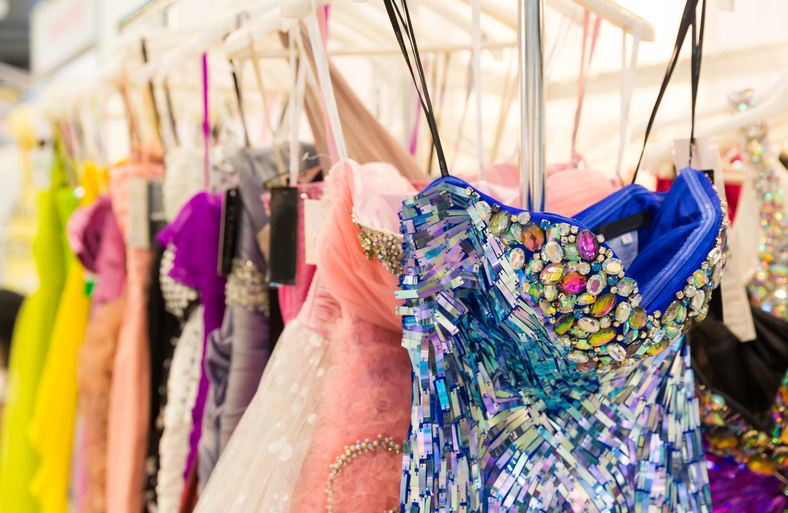
Ever put on a dress and feel like everything comes together? Sitting up straighter, your eyes are sparkling with excitement because the night clearly is going to be fun. The right evening dress has the power to do that. Glamour is not simply a cloth adorned with sparkles in a glittery world, but a feeling, confidence, and another memory.
This guide is for you if you are a modern-day chic woman who wishes to look effortlessly elegant without going overboard. It seeks to assist you in making smart choices – cuts that complement the body, fabrics that are comfortable, tones that suit the skin, and tricks to style the overall look to feel more personal and less off-the-shelf.
Step One: Understand the Dress Code (Before You Fall in Love With a Dress)
Decoding Common Evening Dress Codes
Most invitations drop at least a hint:
-
Black tie: Floor‑length evening dress or a very formal gown is the norm. Elegant fabrics like satin, chiffon, crepe, or velvet feel right here.
-
Formal / gala: Long dresses are still standard, but a statement jumpsuit or tailored tux‑style suit can also work if styled well.
-
Semi‑formal / cocktail: A shorter dress that falls just above or below the knee, a sleek midi dress, or a polished jumpsuit works.
Vogue’s guide to formal wear states that most traditional evening events signify hemlines well below the knee, while floor‑length gowns are often called for the most formal nights. It is always better to be a little overdressed than under-dressed if in doubt.
Quick Pre‑Shopping Checklist
Before browsing:
-
Confirm the dress code on the invitation.
-
Consider the venue (hotel ballroom, restaurant, beach, rooftop).
-
Think about the weather and season.
-
Decide roughly how long you’ll be in the dress (hours of standing, dancing, sitting).
A client once laughed and told me, “I bought the prettiest gown I’d ever seen… then realized I couldn’t sit comfortably in it during dinner.” Don’t be that story.
Step Two: Match Your Evening Dress to Your Body Shape
A perfect evening dress doesn’t fight your body – it works with it. You don’t have to chase someone else’s proportions; you just need the right silhouette.
Know Your General Shape
You don’t need a tape measure and a geometry degree, but having a rough sense of your proportions helps:
-
Hourglass: Curvy bust and hips with a defined waist.
-
Pear / triangle: Hips wider than shoulders.
-
Apple / oval: Fuller through the midsection.
-
Rectangle / straight: Bust, waist, and hips are fairly similar in width.
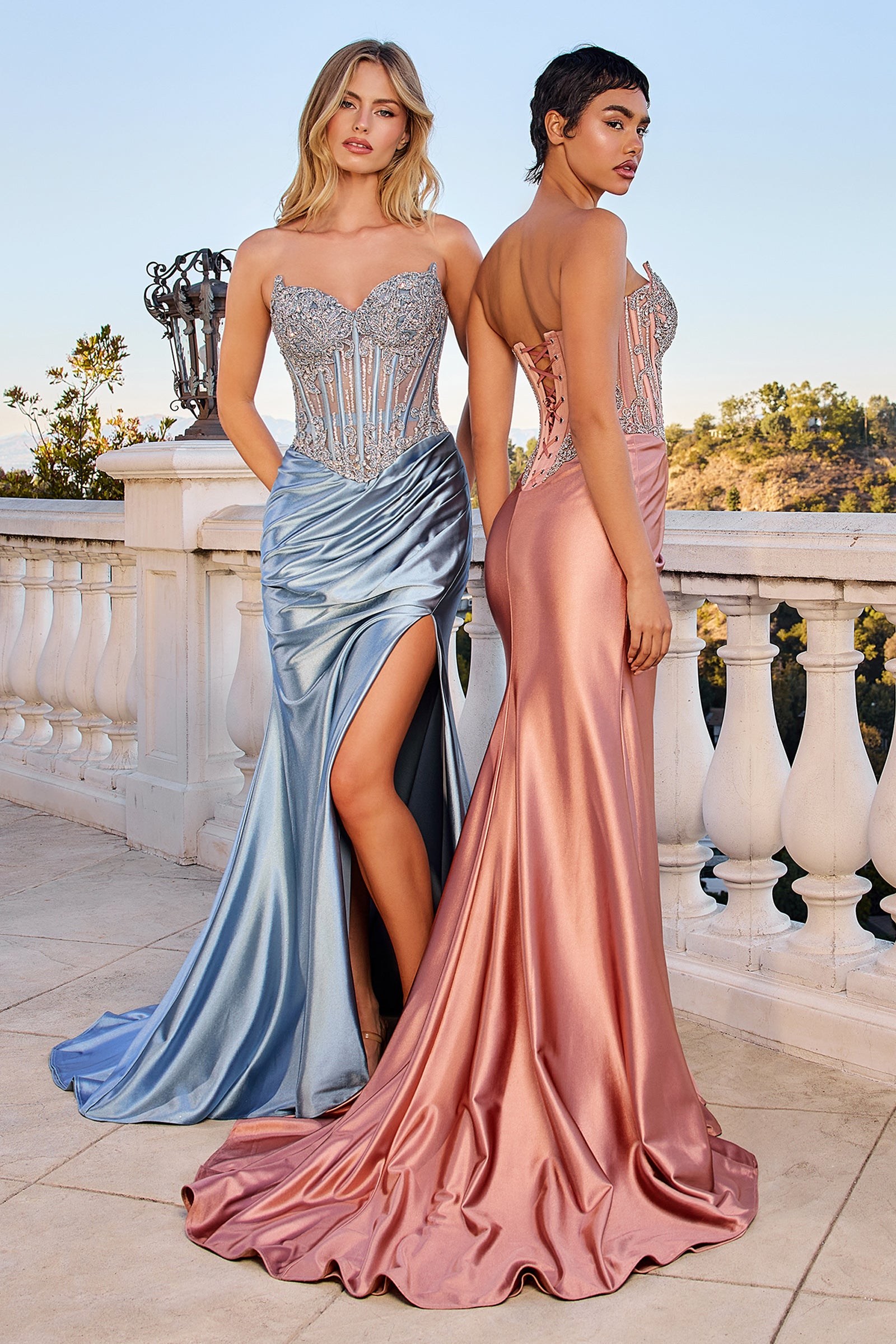
Flattering Silhouettes by Shape
You’ll never go wrong if you lean into these classics:
-
Hourglass: Fitted mermaid, fit‑and‑flare, wrap gowns, and defined waistlines that follow your curves.
-
Pear: A‑line evening dress, off‑the‑shoulder or embellished bodice to draw the eye upward; chiffon skirts that skim the hips.
-
Apple: Empire waist, wrap styles, and flowy chiffon gowns that skim over the midsection while highlighting the bust and shoulders.
-
Rectangle: Fit‑and‑flare, peplum details, ruching at the waist, and gowns that create curves with structure and draping.
Many stylists recommend A‑line gowns and V‑necklines as universally flattering options when you’re unsure. They softly emphasize the waist and elongate the neck and torso.
Step Three: Necklines and Details That Actually Flatter
Necklines are where style meets proportion. The wrong one can make you feel boxed in; the right one lifts your whole look.
Popular Necklines and What They Do
According to formalwear and bridal guides, these necklines are the heavy hitters:
-
V‑neck: Elongates the neck and torso, subtly slimming. Works on almost everyone.
-
Sweetheart: Romantic and feminine, highlights the décolletage — great for hourglass and pear shapes.
-
Off‑the‑shoulder / boat neck: Draws attention to collarbones and shoulders; balances wider hips beautifully.
-
Halter / high neck: Focuses on shoulders and upper body, often suits athletic builds and straight figures.
-
One‑shoulder: Modern and architectural, adds interest and visual balance.
Recent trend reports highlight plunging V‑necks, high‑neck halters, and off‑the‑shoulder designs as particularly popular in contemporary evening dresses.
Embellishments: How Much Is Too Much?
-
If the neckline or silhouette is dramatic, keep beading or sequins more subtle.
-
If the shape is simple and clean, you can let embellishments (beads, crystals, embroidery, feathers) do the talking.
Stylists often warn that overly busy gowns can overwhelm smaller frames or shorter heights, especially with heavy fabrics. A simpler dress with one standout detail – a structured shoulder, a daring back, or a bold slit – often looks more expensive.
Step Four: Choose a Fabric That Feels as Good as It Looks
Fabric is what your skin actually lives in all night, so it matters more than any online photo suggests.
Common Evening Dress Fabrics and Their Vibe
Textile and formal wear guides describe the “big four” like this:
-
Satin: Smooth, structured, with a soft sheen. Feels polished and classic; great for black‑tie and winter events.
-
Chiffon: Light, airy, semi‑sheer; moves beautifully when you walk. Perfect for flowy skirts and warm‑weather evenings.
-
Velvet: Rich, plush, and warm; ideal for fall and winter, especially in deep jewel tones.
-
Crepe: Matte, drapey, and modern; follows the body’s lines without clinging too hard.
Fabric experts advise heavier, warmer materials like satin, brocade, and velvet for cold seasons, and lighter choices like chiffon and soft satin blends for spring and summer events.
How to Decide Between Fabrics
A few guiding questions:
-
Will you be mostly seated, walking, or dancing? Chiffon and crepe move more easily; stiff satins and thick velvet have more structure.
-
Is the venue air‑conditioned to the point of “permafrost”? Heavier fabrics might help you stay comfortable.
-
Do you like a bit of shine or prefer a matte, understated finish? Satin catches the light; chiffon and crepe are more muted.
Fabric specialists recommend touching and trying if you can: order swatches, hold fabrics in natural light, and pay attention to how heavy or light they feel on your skin.
Step Five: Color, Skin Tone, and the Mood of the Night
Color does a lot of heavy lifting – it can make your skin glow, your eyes pop, and your whole vibe feel either relaxed or regal.
Matching Color to Skin Tone (Loosely, Not Rigidly)
Style experts often suggest using your undertone as a starting point:
-
Warm undertones (golden): Look luminous in cool jewel tones like emerald, sapphire, and rich berry, as well as warm metallics.
-
Cool undertones (rosy or bluish): Shine in warmer shades like coral, soft peach, rich burgundy, and rose gold, plus icy pastels.
-
Neutral undertones: You can usually wear both warm and cool tones; focus more on how bold or soft you want to go.
As one style guide puts it, the goal is a dress that makes your skin look brighter and more even, not washed out or sallow.
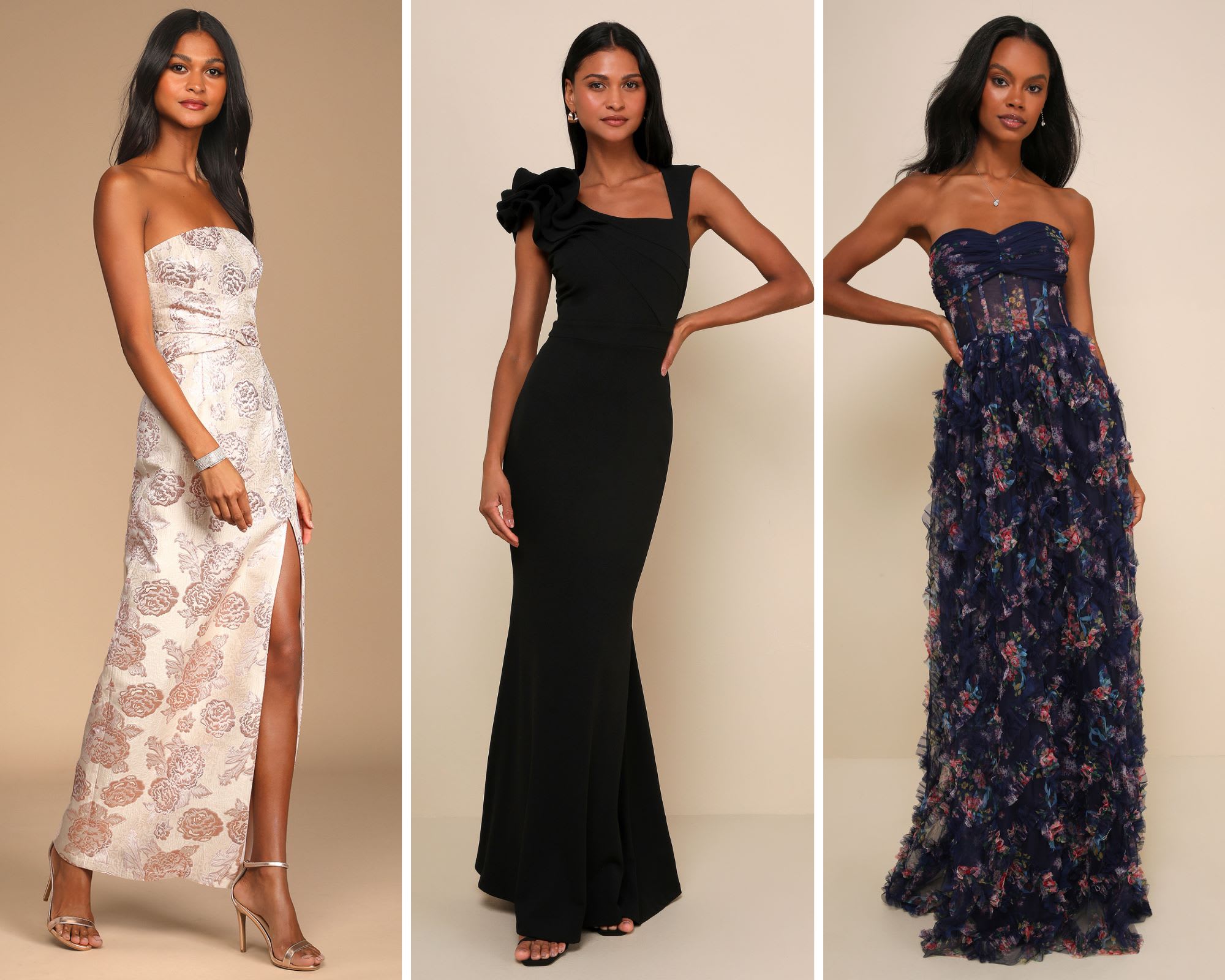
Considering Event Vibe and Trends
-
For ultra‑formal nights, deep jewel tones, black, navy, and metallics are safe and chic.
-
For modern, fashion‑forward events, statement colors, textured fabrics, or subtle patterns can feel fresh.
-
For summer evenings, lighter hues and airy fabrics keep things feeling romantic instead of heavy.
Trend roundups for evening dresses highlight sculpted silhouettes, sheer accents, textured fabrics, and bold necklines as standout features in recent seasons.
Step Six: Practical Fit, Comfort, and Movement
The right evening dress should let you breathe, sit, and dance without constant adjusting.
Actionable Fit Tips Before You Buy
To avoid last‑minute stress:
-
Know your measurements (bust, waist, hips, and length) and compare them to the brand’s size chart — not just your “usual size.”
-
Leave room for alterations: It’s easier to take a dress in than to let it out.
-
Walk, sit, and raise your arms when trying it on; if you can’t move comfortably now, you won’t later.
-
Factor in shoes and undergarments, as these can change the fit and hemline dramatically.
Many formalwear pros recommend hiring a tailor if you love a dress that’s 80–90% perfect. Strategic adjustments at the bust, waist, or straps can make it feel custom.
Accessories, Shoes, and the “Finished” Look
Even the most stunning evening gown can fall flat with the wrong accessories — or shine with the right ones.
Jewelry and Bags
Formalwear stylists often suggest:
-
Let your neckline guide your jewelry.
-
Statement earrings pair beautifully with simple necklines or high necks.
-
Delicate necklaces suit plunging or heavily embellished bodices.
-
-
Keep your bag small and elegant — a clutch or beaded evening bag that holds just the essentials.
The bag should support the look, not steal the spotlight.
Shoes: Comfort vs. Aesthetic
Vogue’s guide points out that while stilettos are a classic, a lower heel or kitten heel can be far more wearable if dancing is on the agenda. Think about:
-
Heel height you can realistically manage for several hours.
-
How visible your shoes will be under your dress length.
-
Whether you need a backup pair (foldable flats work wonders).
Quick Tips & Trade‑Offs When Choosing an Evening Dress
Here’s a snapshot list to keep in mind as you narrow down options.
Smart tips for picking your evening dress:
-
Err slightly on the side of more formal rather than more casual.
-
Keep at least one element simple (silhouette, color, or embellishment) for a more timeless look.
-
Consider re‑wear potential — a versatile gown can be restyled with different accessories.
-
Make sure you genuinely feel like yourself when you look in the mirror.
Common trade‑offs to navigate:
-
Highly structured fabrics vs. ease of movement.
-
Statement necklines vs. bra options and support.
-
Bold trends vs. photos you’ll still love in five years.
One boutique owner summed it up perfectly: “If you’re tugging at it in the fitting room, you’ll be tugging at it all night.” That’s your sign to keep looking.

A Simple Three‑Step Plan for Your Perfect Evening Dress
If the choices start to feel overwhelming, zoom out and simplify your process.
1. Define the night.
What’s the dress code, venue, season, and mood? Are you going for classic glam, modern minimal, or romantic drama?
2. Pick your priorities.
Decide what matters most for this event: comfort, re‑wearability, making a dramatic entrance, or all‑night danceability.
3. Try, tailor, and test.
Order or try on a few silhouettes, move around in them, and don’t skip alterations if needed. Aim for the dress that makes you stand a little taller without having to try.
Conclusion: The Best Evening Dress Lets You Forget About the Dress
The best evening dress won’t just be great in photographs, but it will also allow you to forget it at night. One that is in accordance with the dress code, complements your shape, makes you feel great on the skin, and syncs up with the vibe of the night. You fill the rest with your laughter, your stories.
If you are shopping at this time, begin by defining the event first. Then, check out silhouettes, fabrics, and colors that help you feel something, not just look a certain way. Choose a few dresses to try on, and get some hedge alterations done.
You can walk out of the store empty-handed because there is no need to settle for a dress that is “almost right”. You deserve the one that makes you grin the moment you zip it up; this evening dress will help turn a good night into a fun night.
