

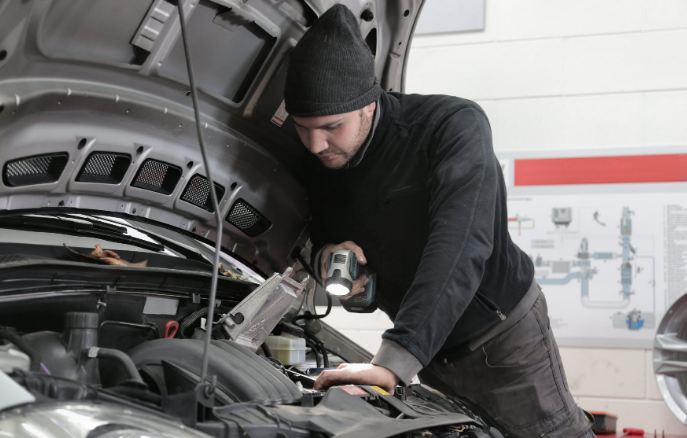
When you see that check engine light turn on at rush hour, it can be particularly terrifying. At least once in life, all of us have felt the feeling of failure. That sudden moment common to everyone when you realize your small problem was ignored for too long. Your car’s upkeep doesn’t have to be a tedious task you’re always stuck with. If you just give it some time and be consistent, it becomes second nature. One of the easiest ways to protect your safety and your pocket.
This guide has an overview of the fifteen practices which matter most for keeping any vehicle in tip-top condition, whether it’s new or has a hundred thousand miles on the clock. The advice you’ll find is practical, actionable, and will work for you this week and not just theory you will forget the moment you close the tab.
The Value of Regular Vehicle Maintenance.
Missing an oil change here and there may not seem harmful, but it is. It generally isn’t. Over time, a fifty-dollar fix for deferred maintenance becomes a fifteen hundred-dollar fix.
Car upkeep helps prevent the car from breaking down. It keeps you, your passengers, and other drivers safer, protects resale value, and increases fuel economy. The National Highway Traffic Safety Administration says a large number of crashes every year are due to vehicle-related issues. Regular maintenance can help prevent several problems, such as flat tires and malfunctioning brakes.
Would you rather spend 20 minutes checking your tire pressure on a Saturday morning, or spend an afternoon by the side of the road waiting for a tow truck? The calculations are more in favor of twenty minutes.
There’s also a quieter benefit – who’s speaking about this peace of mind? Having your brakes looked at last month and knowing your oil is fresh takes one thing off your mental checklist during an already busy week. Most of the people would disregard its usefulness, but it matters more than one would think, particularly if you are shuttling kids around. If you are traveling a long distance daily, it also helps to prevent fatigue.
Insurance firms and lenders often notice too. A properly maintained vehicle is well-documented, which helps with warranty claims, your position if you ever want to sell your car privately, and, depending on what it is, the dealer’s trade-in valuation. You don’t need expensive equipment or specialized training for any of this. All it requires is showing up for your vehicle, just as it shows up for you every day.
Establishing a basic maintenance habit.
You don’t need to be a mechanic or have years of experience to understand what your car needs. The importance of things depends on observation and luck.
Familiarize Yourself with the Service Log
Based on mileage and time, every manufacturer releases a recommended service schedule. The best way to set up a strong oil change schedule, filter exchanges, and inspection intervals is with a single, reliable roadmap.
Identify Early Warning Signals.
Your car warns you in subtle ways before it finally stops. A subtle scent of burning. A new rattle at idle. A slight pull to one side when braking. These don’t deserve to be dismissed. Making a referral at the earliest is the thin line between ‘minor’ and ‘major’ repairs.
The essential habits you deserve to have in your life.
Every month, check the air pressure and tread depth on all tires, including the spare.
Check all fluids (oil, coolant, brake, transmission, and power steering) at least once a month.
Make sure taillights, headlights, and turn signals work.
Pay attention to any odd sounds when starting up, speeding up, and slowing down.
Log repairs so you’ll always know what has been done and when.
The health of your car begins with its engine fluids.
Your engine is the heart of your vehicle, and it deserves more attention than most drivers realize. Worn-out oil, filters, belts, and hoses could cause hiccups in the engine’s smooth operation, such as knocking.
Oil Changes are Important
Synthetic oils in today’s modern engines have longer intervals than older formulas, but that does not mean no oil changes. As dirty oil fails to lubricate and cool engine parts,, it accelerates the wear and tear on costly components. Follow your manufacturer’s suggested interval and don’t extend it simply because the car “feels fine.”
Never Neglect Air Filters.
A blocked engine air filter limits airflow, reducing power and fuel economy.
Cabin air filters make a difference to something just as essential: the air you breathe every time you are behind the wheel. If you’re driving in a dusty or very pollen-heavy environment, then make sure you swap them around every twelve or fifteen thousand miles.
Keep an Eye on the Belts and Hoses.
The car looks OK from the outside, but rubber would have degraded with heat and age. Worn-out or failed components do not give much warning before failing, such as a hose crack or a serpentine belt. Request your mechanic to verify these during every major service.
Don’t Forget the Coolant and Transmission Fluid.
While it’s easy to just think about the oil in your vehicle, there are many other fluids and liquids making your engine run smoothly. A flush of your engine coolant every few years (according to the manufacturer’s schedule) will keep this system in good working order. It controls your engine’s temperature, preventing it from overheating in summer and freezing in winter. Many don’t think to check their transmission fluid, most likely because it doesn’t come to mind. But failure of your transmission is one of the most expensive repairs. A simple fluid check during each oil change appointment is not too much to ask for that protection.
Tires, Brakes and More of Your Safety Systems
Car care that stops and steers deserves an extra layer of attention, if not two. There is no room for oversight in these systems.
Pressure and Tire Rotation
Tires that are underinflated wear unevenly and increase the odds of a blowout. An overinflated tire cannot grip the road as well and makes for a harsher ride. According to experts, it’s important to check your tire pressure monthly when the tires are cold. In addition, rotating your tires every five to seven thousand miles will help you to achieve even wear.
You Don’t Optional Brake Inspections.
If your brakes squeal, grind, or feel spongy when you press the pedal, you need to get them fixed now instead of several weeks from now. Get your pads, rotors, and brake fluid checked at least once a year, and sooner if you notice any abnormalities while driving normally.
Alignment of wheels and suspension.
If your steering wheel is not centered when driving straight, or if your tires are wearing unevenly on one side, get an alignment check. When a vehicle’s wheels are poorly aligned, they wear tires more quickly and significantly affect handling.
You don’t think much about battery health until you do.
When a driver really thinks about the battery, it is usually the moment it fails. Most likely a cold, freezing morning when that driver is already late. In general, a battery can last three to five years. Before it fails, its performance will decline quickly. A slowly turning key, dim lights inside the car, or a warning on the dashboard. Getting a battery load test as part of your vehicle’s maintenance, particularly before winter, is a low-cost way to avoid getting stuck in the parking lot at the worst possible time.
Routines That Can Lengthen the Life of a Vehicle.
In addition to regular maintenance, small everyday habits can amount to significant savings over your vehicle’s lifetime. Think of this as the difference between a car that lasts eight years and one that lasts fifteen.
According to a friend, she had held off on replacing the cabin air filter for more than two years because it seemed like a little thing. But by the time she had it checked, the HVAC system was already straining and needed a deeper, more expensive cleaning. It’s small things that can help you realize the significance of this.
Here’s a quick comparison of habits well worth adopting versus those that quietly cost you down the road.
Wise habits.
Regular washing and waxing help protect the vehicle’s paint from salt, sun, and grime.
It is important to keep your car parked in a garage or in a shaded area to reduce exposure to radiation and heat.
Test the battery before severe weather seasons.
Attend to warning lights straight away rather than waiting.
Avoid these costly habits.
Brushing off dashboard alerts since “the car runs fine.”
Neglecting fluid top-offs between full services.
Replacing the tires after the tire tread wear limit
Waiting for the grinding to start brake service.
The entire idea behind the long-term care of automobiles is to practice preventive maintenance rather than reactive repair. Rather than focusing on only one task, focus on a rhythm that you can stick to.
Won’t Hurt to Get Down and Dirty!
There are many jobs that are truly suitable for an amateur. With the help of a 15-minute video and basic tools, you can learn to check tire pressure, top up the washer fluid, change wiper blades, and replace an air filter. Learning DIY car maintenance saves you money and helps you understand how your car works.
However, be aware of your limits. If you don’t have proper training, you should generally send the brake work and electrical diagnostics related to the timing belt and transmission to a technician. It is more expensive to make a mistake there than to visit the shop.
It’s also satisfying to do it yourself with the basics. When you’re driving the same car model for years, you become familiar with it. Consequently, you can spot any irregularities that may arise much before they become a problem. It is not necessary to become a full-time mechanic to reap the benefits of this. The Importance of a Healthy Relationship with Car Oil
Even learning to check your own oil level with a dipstick rather than relying on a dashboard sensor all the time gives you a better idea of ‘normal’ for your particular car.
Conclusion: Make Regular Maintenance as Important as Preparation.
Keeping a car in good shape isn’t about making it perfect. It’s about being consistent, noticing the tiny signs your car gives you, and not waiting for little problems to turn into big ones. The fifteen tips above cover everything from oil changes and tires to brakes, as well as daily habits that will keep your investment intact.
You can get started with baby steps. Check your tire pressure this weekend, look in your owner’s manual for the next service interval, and make a simple note from here on in. The unexpected journey will take place, and your money, your car, and your future self will thank you. If your car is due for a service, schedule an appointment with a good mechanic this week instead of someday.
Staying on top of car maintenance is one of the simplest ways to protect your investment and stay safe on the road. Bookmark this guide and refer back to it as part of your regular car care routine.
