

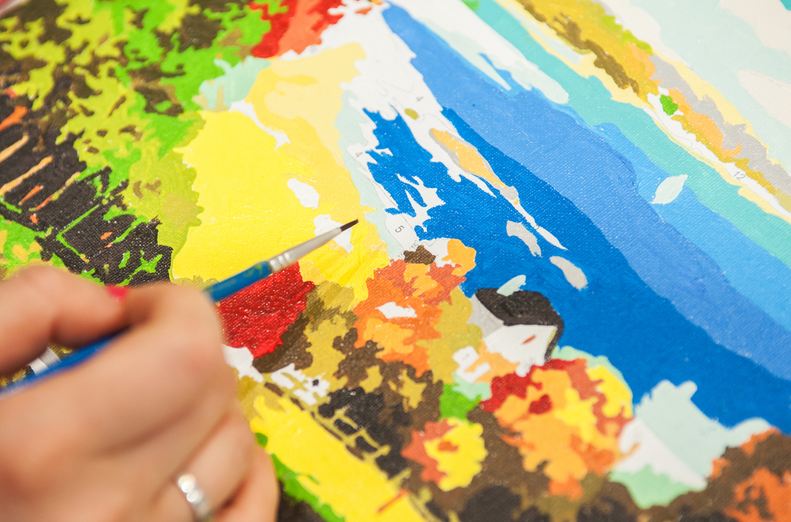
Art therapy for mental health is an effective way to improve emotional health through artistic expression. This method encourages people to explore their thoughts and feelings through Drawing, painting, collage, and other media rather than just talking.
People are constantly pressured by modern life. Many people experience stress, anxiety, and emotional exhaustion every day. Many people benefit from therapy; however, some find it difficult to articulate their feelings. Art therapy addresses this gap by articulating feelings that are otherwise suppressed.
You don’t need talent or artistic ability for this method. Anyone can grab a pencil, a brush, or even something digital and go. Concentration is on expression, not perfection. This slight adjustment allows individuals to relax, let go of stress, and learn more about themselves.
The Meaning Of Art Therapy
Combining creativity with experienced guidance, art therapy is therapeutic for mental health. Art therapists, licensed professionals, can assist individuals in expressing their thoughts, feelings, and experiences through art.
Ways in Which Art Therapy Works
During art therapy sessions, the emphasis is on the process rather than the product. A therapist may suggest that their client draw their mood right now, paint a memory, or create an image that represents a problem they are facing.
Emotions rise naturally as people create. Colors, shapes, and patterns often express feelings that we cannot put into words. This process helps people identify and recognize their feelings more often.
Most important parts
-
Self-expression that’s creative, pressure-free, and judgment-free.
-
A secure environment organized and managed by a trained professional.
-
Guided reflection connects an artwork to experience.
For instance, someone suffering from anxiety may use wild zigzagging lines and dark shapes. When they talk about the artwork, they usually reveal specific fears or stressors.
Who are the Beneficiaries of Art Therapy?
Art therapy benefits people of all ages and stages of life.
-
Children who cannot express their feelings verbally.
-
Teenagers experience anxiety due to peer pressure.
-
Adults dealing with anxiety, trauma, or depression.
-
Senior citizens who are lonely or forgetful.
As it is not reliant on strong verbal skills, art therapy is especially effective for individuals who find it hard to express their feelings in words.
Understanding Art Therapy Science
Art therapy is effective for treating common psychiatric disorders. Creative activities affect brain function and stress levels.
Response to art on the brain
People who make art exhibit brain activity in areas related to emotion, attention, and memory. This helps with mood regulation and mental clarity.
Creating art has proven health benefits.
-
It reduces stress by lowering cortisol.
-
Boosts dopamine, enhancing mood and motivation.
-
Increases concentration and attention.
This helps to calm the brain down and regain control from stress.
Recovery from Trauma through Art
When trauma occurs, the parts of the brain that process language are often affected. Since many people find it difficult to articulate a traumatic experience
Art therapy solves the problem by allowing us to explore our feelings without words.
-
People give visual expression to feelings.
-
The process of creation lessens emotions.
-
Art enables a distance from pain.
This method allows one to safely and gradually process a trauma. Many therapists utilize art therapy to help people with PTSD and trauma.
Art therapy offers a variety of benefits for mental health.
Art therapy offers real, quantifiable benefits that enhance emotional and psychological health.
1. Lessens worry and anxiety
Creative activities calm down the nervous system and reduce anxiety. When people become creators, they stop worrying.
-
When coloring or shading is done repeatedly, it relaxes.
-
Creative concentration promotes mindfulness and presence.
-
Art is a great outlet for overthinking.
Even short bursts of creativity can boost mood and relieve stress.
2. Enhances Expression of Emotions
Many people are struggling to express their feelings. Art therapy expresses emotions visually.
-
People communicate their feelings with colors and shapes.
-
Art has the power to reveal emotions that are otherwise hidden in a conversation.
-
Regular practice strengthens emotional understanding.
This process helps people feel their emotions rather than avoid them.
3. Facilitates Healing of Trauma
Art therapy is a way for people to cope with pain and emotions in a safe space.
-
It allows for gradual exploration.
-
This helps prevent emotional overwhelm during recall.
-
It helps people reclaim their sense of control and identity.
People would rather express their feelings through drawing and painting rather than speaking them.
4. Creates Trust and Self-Regard
When people create art, they increase confidence.
-
Completing artwork brings a sense of accomplishment.
-
People gain a sense of worth in their expression without being judged.
-
Building creative success makes identity stronger. (8 words)
Through time, this confidence goes beyond art into life.
5. Enhances problem-solving ability
Art is helpful for creative thinking. These skills help people overcome difficult situations.
-
People use creative work to see different views.
-
Art invites exploration without the fear of failure.
-
Coping abilities can be enhanced by creativity.
This benefit makes art therapy useful for personal development and everyday decision-making.
Art Therapy Methods for Different
Anyone can become an artist regardless of their experience, as art therapy uses simple techniques.
Drawing & Painting
Painting and Drawing are among the simplest means of self-expression to project your feelings. These techniques allow you to express yourself both freely and in a structured way.
Creation of Collage
Collage lets a person stitch together images, textures, and words into a visual image.
-
It helps people visualize feelings or goals.
-
It alleviates the stress of being skilled at Drawing.
-
It motivates narratives via pictures.
Shaping Bodies in Clay
Molding clay involves both physical and mental skills (10).
-
It helps release physical tension with a hands-on activity.
-
It helps to stay grounded and focused.
-
It helps let go of feelings.
Journal Art
This practice incorporates writing and drawing for deep reflection.
-
Tracking Emotions Over Time
-
It links our thoughts with visuals.
-
It aids in long-term personal development.
Art Therapy Online
Art therapy is more accessible thanks to digital tools.
-
Tablets and apps make creative expression easy.
-
Online sessions allow for flexibility and convenience.
Hope this works (6 words):
Sustaining existing government programs is crucial.
Art Therapy and Traditional Therapy
Art therapy emphasizes self-expression through art, whereas talk therapy relies on conversation. Sometimes it’s easier to express one’s feelings through an art form or another.
Nonetheless, many therapists combine the two.
-
Art reveals concealed feelings.
-
Conversation allows us to process and understand those feelings.
When used together, they create a more complete healing process.
Art Therapy Uses in Real Life
Art therapy is an important intervention in many real-world scenarios.
Health Care Settings
Art therapy is implemented in hospitals to help patients deal with their illness, pain, and recovery.
Experiencing joy helps combat these feelings.
Educational institutions
Teachers use art therapy to support students’ emotional development.
-
It helps regulate behavior and alleviate stress.
-
It promotes the outflow of emotions.
-
It boosts self-esteem and improves sociability.
Rehabilitation Programs
Art therapy is used in an addiction recovery program for emotional healing.
-
It allows one to understand emotions.
-
It helps to rebuild identity.
-
It fosters a healthier, more effective coping habit.
Programs for the Community
Community organizations are using art therapy to build connections and wellness.
-
It diminishes isolation.
-
It boosts group interaction.
-
It promotes emotional strength.
Beginning Art Therapy Session Ideas
Anyone can start art therapy for mental health through a few simple steps.
Collaborate with a registered therapist.
A trained art therapist provides structure, guidance, and emotional safety. They customize activities according to individual needs and objectives.
Home conditions
People can also explore art therapy on their own.
-
Draw or sketch what you are feeling now.
-
Coloring books can help relieve stress.
-
Make a collage that represents your desires or feelings.
-
Keep a visual diary to monitor thoughts and feelings.
Concentrate on the experience, not the result; how you express matters more than how you look.
Debunking Myths about Art Therapy
Some people do not try art therapy because they misunderstand it.
Im Searching for Artistic Talent
Art therapy emphasizes expression, rather than skill. Innocent drawings have a deeper meaning.
Art Therapy is only for kids.
Art therapy is beneficial for people of any age. Through creative work, adults often gain powerful emotional insights.
Art Therapy is not “real” therapy.
Certified therapists are art therapists who use evidence-based methods in their practice. It can help to improve mental health.
Significance of Art Therapy Today
In today’s fast-paced world, constant mental and emotional pressure is created. Many people no longer feel connected to their inner world.
Art therapy helps individuals unwind and come together. It creates room for thinking, creating, and emotional release.
People will no longer bury their feelings; they will learn to explore them. Through this process, we build resilience, clarity, and balance.
Concluding Remarks
Art therapy offers an accessible and effective avenue for mental health healing. The act enables people to express themselves and work through hard experiences.
Perfect words are not necessary to understand your emotions. A drawing, a blend of colors, or a moment of imagination can say what words can’t. Through this process, healing is made possible and personal.
