

Spend five minutes in a parking lot near a track day, and you’ll hear it: the distinct flat-six growl of a Porsche car cutting through all the other noise. Among performance brands, Porsche is best known for its sports cars, and that reputation isn’t an accident. It’s the result of decades of engineering focus, racing success, and an obsessive commitment to making cars that feel alive at any speed.
If you’re the kind of person who’s loved cars for ages, or you’re simply a fan of sports cars and thinking about buying one for the first time, or you’re just Porsche-curious, understanding what makes these machines so special helps explain why owners talk about them less like appliances and more like trusted friends.
What Makes A Porsche Car Different?
At its core, Porsche is a German manufacturer specializing in luxury, high-performance sports cars, as well as SUVs and sedans. The current lineup includes icons like the 911, the mid-engine 718 Boxster and Cayman, the electric Taycan, and practical but still quick models such as the Cayenne, Macan, and Panamera.
A Porsche car stands apart for three things.
To focus more on the feel of a driver than the headline numbers.
Engineering which compliments the everyday user but can also go on the track.
* The motorsport heritage is deep as the organization won more than 30,000 races in various disciplines.
Plenty of brands build fast cars. Fewer built sports cars that still feel special on a wet commute or a run to the shops. That “everyday magic” is what keeps Porsche fans so loyal.
A Quick Look At Porsche’s Sports Car Family
The 911: Rear-Engine Legend
)
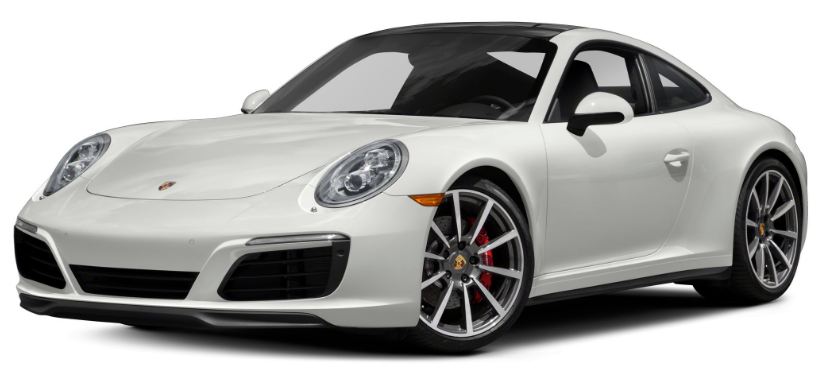
You can’t talk about why Porsche is best known for its sports cars without mentioning the 911. It’s the brand’s rear-engined flagship, known for its unmistakable silhouette and for blending everyday usability with supercar performance. In the modern range, the 911 typically sits as the “aspirational” model above the smaller mid-engined cars, offering more power, more speed and a wider array of variants.
From the outside, it might look like the 911 changes slowly. Under the skin, each generation brings major advances in power, suspension, aerodynamics, and technology, while keeping the core feel intact. That continuity is a huge part of the 911’s appeal to enthusiasts.
718 Boxster And Cayman: Mid-Engined Sweet Spot

If the 911 is the icon, the Porsche Boxster and Porsche Cayman (now sold under the 718 name) are the focused driver’s choice. The Boxster launched in the mid-1990s as a mid-engined roadster, and the fixed-roof Cayman followed in 2005, both designed around a boxer engine mounted behind the seats for balance and sharp handling.
- The Boxster arrived in 1996, initially with a new horizontally opposed mid-mounted engine.
- The Cayman coupe joined in 2006, offering a stiffer chassis and slightly different character while sharing much of the platform.
Enthusiast publications generally state that, even though these mid-engine sports cars may not be able to compete with certain 911 variants in terms of power, they do possess superb balance, steering feel, and a more user-friendly handling envelope. Because of this, they make a favorite for track days and back-road drives.
Taycan: The Electric Porsche Sports Sedan
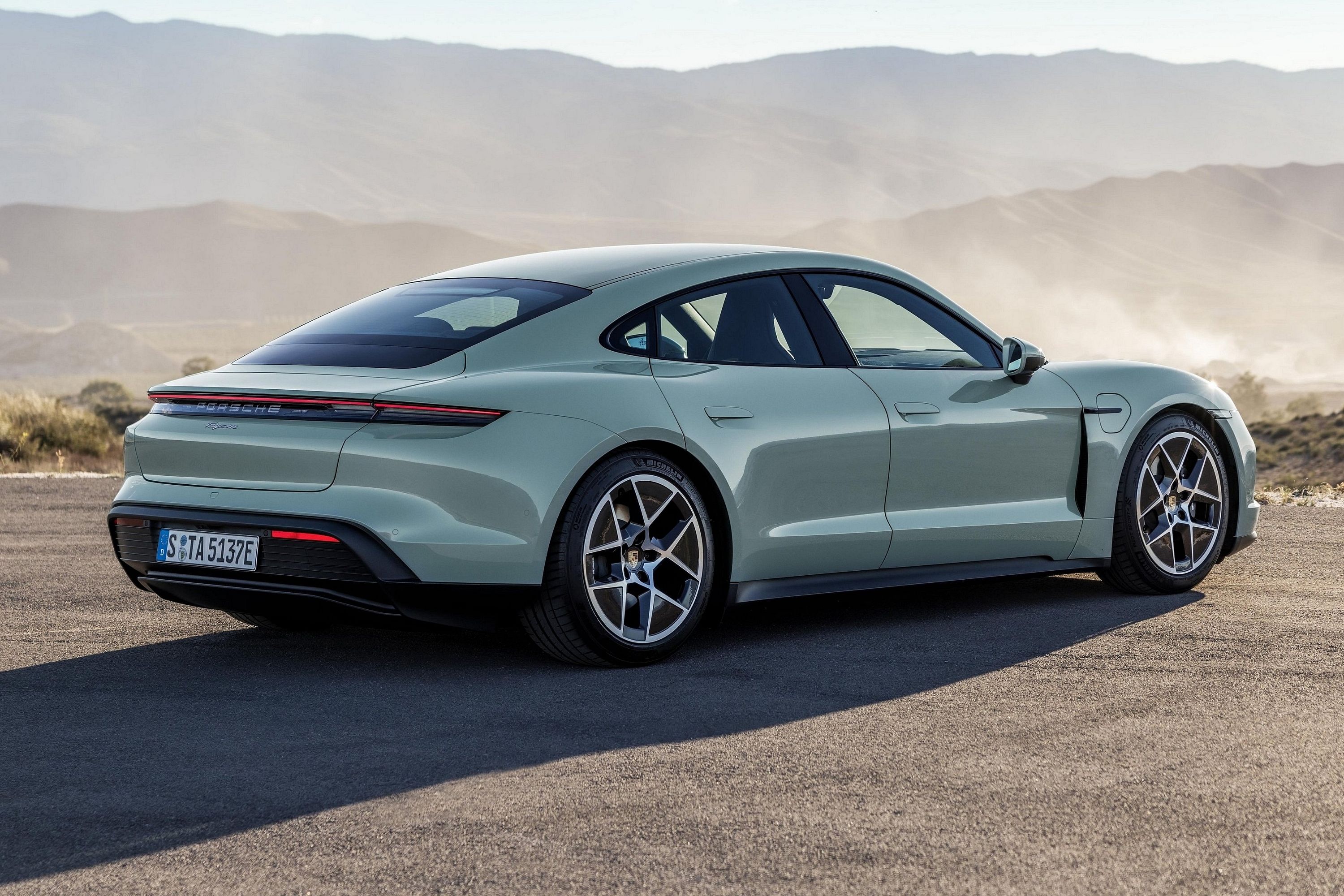
For a modern twist on what a Porsche car can be, look at the Taycan. It’s Porsche’s first fully electric sports sedan and wagon, designed to deliver both luxury and serious performance.
Key Taycan traits:
- All electric powertrains with dual motors and 800-volt architecture, offering up to 1,019 horsepower in Turbo GT versions.
- 0-60 mph times as low as about 2.1-2.3 seconds in high-end Turbo S and Turbo GT models, with top speeds up to around 190 mph.
- A wide range of trims, from base Taycan and Taycan 4 to 4S, GTS, Turbo, Turbo S, and Turbo GT, plus Cross Turismo and Sport Turismo body styles.
Reviews highlight that the Taycan feels like a genuine Porsche sports car despite being electric, with precise steering, strong braking and repeatable performance, rather than just raw straight-line speed.
Why Porsche Is Best Known For Sports Cars
Porsche didn’t earn its reputation by accident. A few key ingredients create the aura that surrounds a modern Porsche.
- Racing heritage: Porsche is often described as one of the most dominant car brands in motorsport history, with more than 30,000 race wins across series such as Le Mans, endurance racing, and GT competition.
- Engineering focus: Even SUVs and sedans are tuned to feel responsive and agile, but sports cars remain the brand’s heart, guiding the technology that trickles down into other models.
- Consistency: From the first 911 to the latest 718 and Taycan, the brand has stuck to a clear philosophy of driver-centric design, precise handling, and build quality.
When you put all that together, it’s not surprising that when most people hear “Porsche”, they don’t picture an SUV first; they picture a sports car.
Living With A Porsche Car Day To Day
One reason enthusiasts gravitate to Porsche is that most of its sports cars are surprisingly livable. Owners often use 911s, Boxsters, Caymans, and Taycans as daily drivers.excellence-mag+1
In practical terms, that means.
Usable trunks and front storage especially in mid-engined and electric models.
Non-track trims ride comfort is remarkably good
* Robust infotainment and safety technology, particularly in modern vehicles.
The Taycan, for example, can be had as a sedan or wagon like the Cross Turismo, offering four doors, decent rear room and a premium interior while still delivering 400+ horsepower in base trims and far more in performance versions.
Pros And Cons Of Owning A Porsche Sports Car
No brand is perfect. If you’re considering your first Porsche, it helps to weigh the pros and cons.
The advantages.
The sports car series showcases their excellent steering dynamics, well-balanced chassis as well as braking systems.
Heritage and image: A long-lasting sport and car brand’s legacy which comes which many buyers value.
* Many Porsche sports cars can accommodate commuting, road travelling and weekend blasts.
Con.
The most wanted new models, especially the high-end 911s and Taycan Turbos, cost serious money.
Insurance, tyres and maintenance running costs can be higher than average, especially with track use.
* Once you drive a Porsche it becomes hard to get used to something less focused.
None of these are deal breakers for dedicated enthusiasts, but they’re worth considering before taking the plunge.
How To Choose The Right Porsche For You
If you’ve decided a Porsche car is in your future, the biggest question is which one fits your life and driving style.
A few simple steps:
- Define your main use: daily driving, weekend fun, track days, or a mix.
- Set a realistic budget that includes room for tires, maintenance, and insurance.
- Decide on body style: two-seater roadster, coupe, four-door sedan, or electric sports sedan/wagon.
- Test-drive at least one mid-engined car (Boxster/Cayman/718) and one rear-engined 911, plus a Taycan if you’re EV-curious.
Matching your choice to how you actually drive day to day is more important than chasing the biggest power number or the most famous badge.
A Quick Anecdote From The Driver’s Seat
When asked why they are so committed, Porsche owners often give surprisingly emotional answers. A driver of the 718 Cayman shared the following observation about their first drive: “I’ve had faster cars on paper, but nothing has made me smile in second gear on a quiet road as it did. The car seemed to be encouraging me, rather than fighting against me. That connection is what keeps people with the brand for decades.
Simple Tips Before You Buy Or Lease A Porsche Car
To keep things practical, here’s a short list of steps that help you move from dreaming to driving.
- Try a Porsche Experience Center or a track day to sample multiple models back-to-back if you can.
- Look up common maintenance items and service intervals for the generation you’re eyeing.
- Join an owners’ forum or local club to hear honest feedback about living with specific models.
- Get a pre-purchase inspection from a Porsche specialist if you’re buying a used Porsche.
A bit of homework up front tends to pay off in fewer surprises and a smoother ownership experience.
The Electric Future: Taycan And Beyond
As the industry shifts toward electrification, Porsche has taken a clear stance: an electric Porsche car still has to feel like a sports car, not just a fast appliance. The Taycan’s dual-motor layout, 800-volt architecture and two-speed transmission are all designed to deliver repeatable, track-capable performance.
- The Base Taycan and Taycan 4 models offer around 402–429 horsepower and 0–60 times of about 4.4–4.5 seconds.
- The Taycan 4S ups that to roughly 536 horsepower and a 0–60 time of about 3.5 seconds.
- Turbo and Turbo S versions climb as high as the 900+ horsepower range with sub-2.5-second 0–60 times, while Turbo GT variants can reach around 1,019 horsepower and 0–60 in about 2.1–2.2 seconds.
Taycan Driving Experience is Delightful, say Electric Car Enthusiasts. Despite the complexity under the skin, the review notes that the Taycan’s driving experience is confidence-inspiring and intuitive, like Porsche’s traditional sports cars, even as it embarks on new technology.
Conclusion: Why Porsche Still Owns The Sports Car Conversation
In a world of quick machines, Porsche is best known for its sports cars, mainly because it always circles back to the same idea: a car should make its driver feel involved, able, and excited with every turn of the wheel. No matter if it’s a 911, 718 or a Taycan, Porsche is all about the feeling.
As a car lover and also a sports car buyer, the next thing to do is to get behind the wheel. View the various models, book a test drive, or visit a dealer or driving experience. While numbers and specs may reveal part of the story, your true answer to whether a Porsche is for you lies in how it makes you feel on a good road, when no one is watching.
