

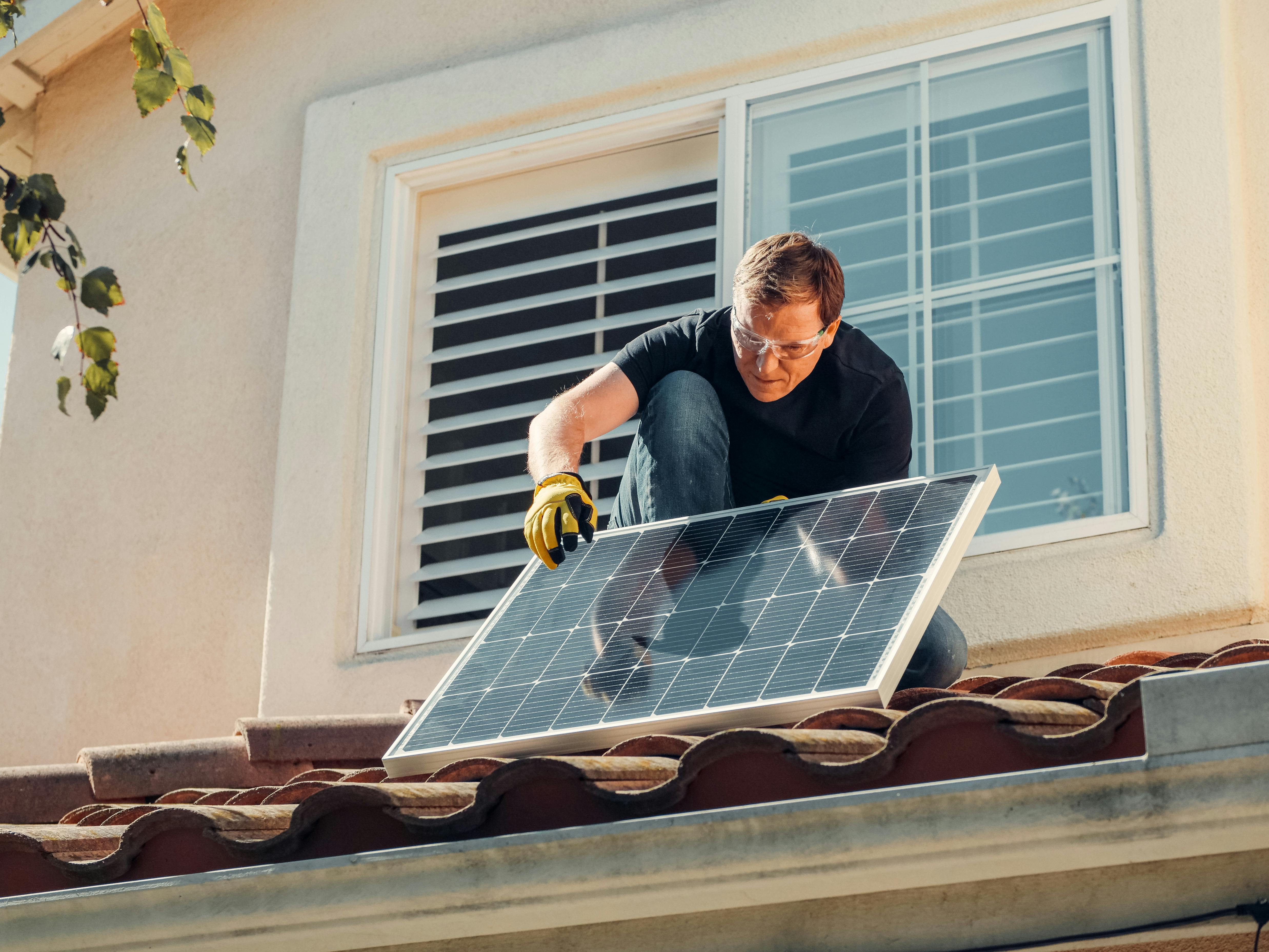
Solar Panel Installation as a Home Improvement Project: What Denver Homeowners Should Know
Solar panels are the one home improvement that pays you back instead of just costing you. That’s the pitch, anyway. The reality involves permits, roof math, and a utility company that has opinions about your meter.
If your electric bill has crept past what feels reasonable and you’re tired of watching the rate climb every summer, solar is worth understanding before you commit. It’s also worth understanding before you call anyone, because a few basics will save you from a sales pitch that doesn’t match your house. Pair that knowledge with a contractor who handles multiple trades under one roof, like the Cooper Green Team, and you avoid the hassle of coordinating three different companies for one project.
Here’s what actually matters when you’re evaluating solar for a Front Range home.
Your Roof’s Condition Comes First
Solar panels live on your roof for twenty plus years. If your shingles have five years left, you’re signing up for a painful removal and reinstall later. Get the roof inspected before you get a solar quote, not after.
I’ve watched homeowners get talked into panels on a fourteen year old roof because the sales rep promised “it’ll be fine.” It wasn’t fine. Two hail seasons later, the panels came off so the roof could be replaced, and the homeowner paid for labor twice.
Colorado’s hail doesn’t care about your timeline. Neither does snow load. Panels can handle both, but the decking underneath them has to be solid. If your roof is due for replacement anyway, do both jobs together. You’ll save on labor and avoid the worst scheduling conflict in home improvement.
How Much Sun Does Your Roof Actually Get?
Denver gets roughly 300 days of sunshine a year, which sounds like a solar goldmine until you realize tree cover and roof orientation matter more than the city average.
A south facing roof with no shade is the ideal setup. West facing still works and can actually help with late afternoon production. East facing is weaker but viable. North facing in Colorado? Generally not worth the panel cost.
Walk outside at three different times of day and note where shadows fall. If a mature tree shades your roof from noon to four, that’s the window when panels produce the most. Trimming might help. Removing a healthy tree usually isn’t worth it, and the panel math gets shaky fast.
The Permitting and Utility Side Nobody Warns You About
Your city or county requires a permit for rooftop solar. That’s normal and expected. What surprises people is the utility interconnection process, which can stretch your timeline more than the actual installation.
The installation itself often takes one to three days once materials arrive. The paperwork and inspection phase routinely adds weeks. Your contractor handles the filing, but the wait is on your calendar, not theirs.
Federal tax incentives have historically made solar more affordable for homeowners, and the U.S. Department of Energy tracks current residential solar programs. Those credits have shifted over the years, so check what applies to your filing year before you bank on the numbers.
What Solar Doesn’t Do
One panel array won’t run your house through a winter storm on its own. Solar production drops in winter, and without battery storage, you’re still tied to the grid at night. That’s a feature, not a flaw, but it trips up buyers who expect independence from day one.
Pairing solar with a whole home battery changes the math. So does adding an EV charger while your electrician is already on site running conduit. The labor overlap is where the real savings hide.
Homeowners sometimes retrofit other electrical work during a solar project, like panel upgrades or generator hookups, because pulling permits twice is expensive. It’s one of the few times bundling genuinely pays off. The National Renewable Energy Laboratory publishes research on how storage and solar perform together in real homes, and the pattern is consistent: batteries make solar more useful, not just more expensive.
A Simple Framework for Deciding
I use a three question filter when someone asks whether they should go solar. Call it the Roof-Bill-Shade test.
- Roof: Is your roof under ten years old, or are you replacing it anyway?
- Bill: Is your monthly electric bill high enough that the payback period lands under a decade?
- Shade: Does your roof get direct sun for most of the day, year round?
Two yeses means it’s worth getting quotes. Three yeses means you should have already called. One or zero means wait, and put that money toward the roof or the electrical panel first.
Choosing Who Does the Work
Solar touches your roof, your electrical panel, and sometimes your plumbing if you’re adding a heat pump water heater at the same time. A company that only does solar will subcontract the rest. That’s not automatically bad, but every subcontractor is another handoff where timelines slip.
Look for a contractor licensed across the trades you need. According to the Bureau of Labor Statistics, electricians and related trades remain in steady demand, which means the good ones book out early. If a company can schedule your panel upgrade, your solar install, and your EV charger without juggling three calendars, that’s worth real money in avoided headaches.
Ask three questions before you sign anything:
- Who pulls the permit, and who handles the utility paperwork?
- What happens if the inspection fails and requires rework?
- What’s the warranty on labor, separately from the warranty on the panels themselves?
Any hesitation on that third question tells you something about how they’ll handle a problem in year eight.
Timing Your Project Around Colorado Weather
Fall is the quiet season. HVAC companies wind down cooling calls and ramp up heating tune ups, but solar crews aren’t fighting summer heat on your roof or winter ice on your ladder. Booking in late summer or early fall often means shorter waits and better scheduling flexibility.
Winter installs still happen. They’re just slower, and snow on your roof pauses work until it clears. If you’re planning solar plus a furnace replacement plus a water heater upgrade, staggering them across two seasons keeps your house livable while work happens.
Some homeowners time solar with a bigger energy project, like swapping a gas water heater for a heat pump unit, because the electrical load calculation needs to account for both. Doing it in the wrong order means paying an electrician twice.
What It Comes Down To
Solar is a long term purchase, and the decision hinges on your roof’s condition, your electric bill, and how much sun your property actually catches. Get the roof inspected. Check your shade at multiple times of day. Understand that the permit and utility paperwork often takes longer than the install itself.
Do the Roof-Bill-Shade test before you call anyone, and you’ll walk into every conversation knowing whether you’re a real candidate or just being sold to. If you’re in the Denver area and weighing solar alongside other home upgrades, start with the free assessment and see what your roof is working with.
