

Exact time records enable organizations to manage their employees’ hours, schedules, and workforce data efficiently. In order to meet their needs, businesses should select clocking methods that are suitable for various types of work settings, such as office-based teams as well as remote and flexible workers. Selecting the appropriate method helps to ensure a more seamless process for recording working hours.
Time and attendance software provides a variety of clocking options so organizations can collect employee time data in line with their operational requirements. These solutions offer different identification methods and digital techniques, giving companies greater control over workforce records. The article looks at the principal clocking options available and examines their role in effective time management.
Hardware Terminals Support Secure Workplace Clocking
Employees can log their working hours at physical workplace locations using special devices known as hardware terminals. These terminals enable reliable time recording, allow employees to verify their times, and help organizations keep records accurate.
Biometric Scanners Provide Identity-Based Time Recording
Biometric scanners check an employee’s identity using their unique physical characteristics before recording the times they work; face recognition gives a touchless method, and fingerprint readers provide another means of verifying employee details. Some of the solutions also include optional features like fever detection in order to meet certain workplace requirements.
Proximity and RFID Devices Enable Quick Employee Check-Ins
Employees can use swipe cards, key fobs, or tokens to record their time through proximity and RFID systems. In workplaces where staff regularly enter and leave at fixed locations, these methods enable quick check-ins. They offer a sensible approach for companies that need a simple, efficient way to capture time.
PIN Entry Terminals Offer a Simple Recording Method
Using PIN entry terminals, employees can enter their personal identification number to record their working hours. For companies that need a simple clocking system and don’t want to use extra identification technology, this method offers a direct solution. It is appropriate for workplaces that favor a straightforward way to collect employee time data.
Digital Clocking Options Support Flexible Workplaces
Digital clocking methods enable businesses to keep records of the hours worked by employees who work from various locations or have flexible schedules. They allow staff to log their working time using online systems and mobile devices in a more convenient way.
Mobile Apps Allow Remote Time Capture With GPS Support
Employees are able to log their working hours using smartphones when they are working away from their traditional office locations. GPS location tagging can be used to keep track of the check-in information for remote teams and mobile workers. The approach is suitable for businesses that need flexible time tracking at various sites.
Web-Based ESS Provides Online Access for Office Teams
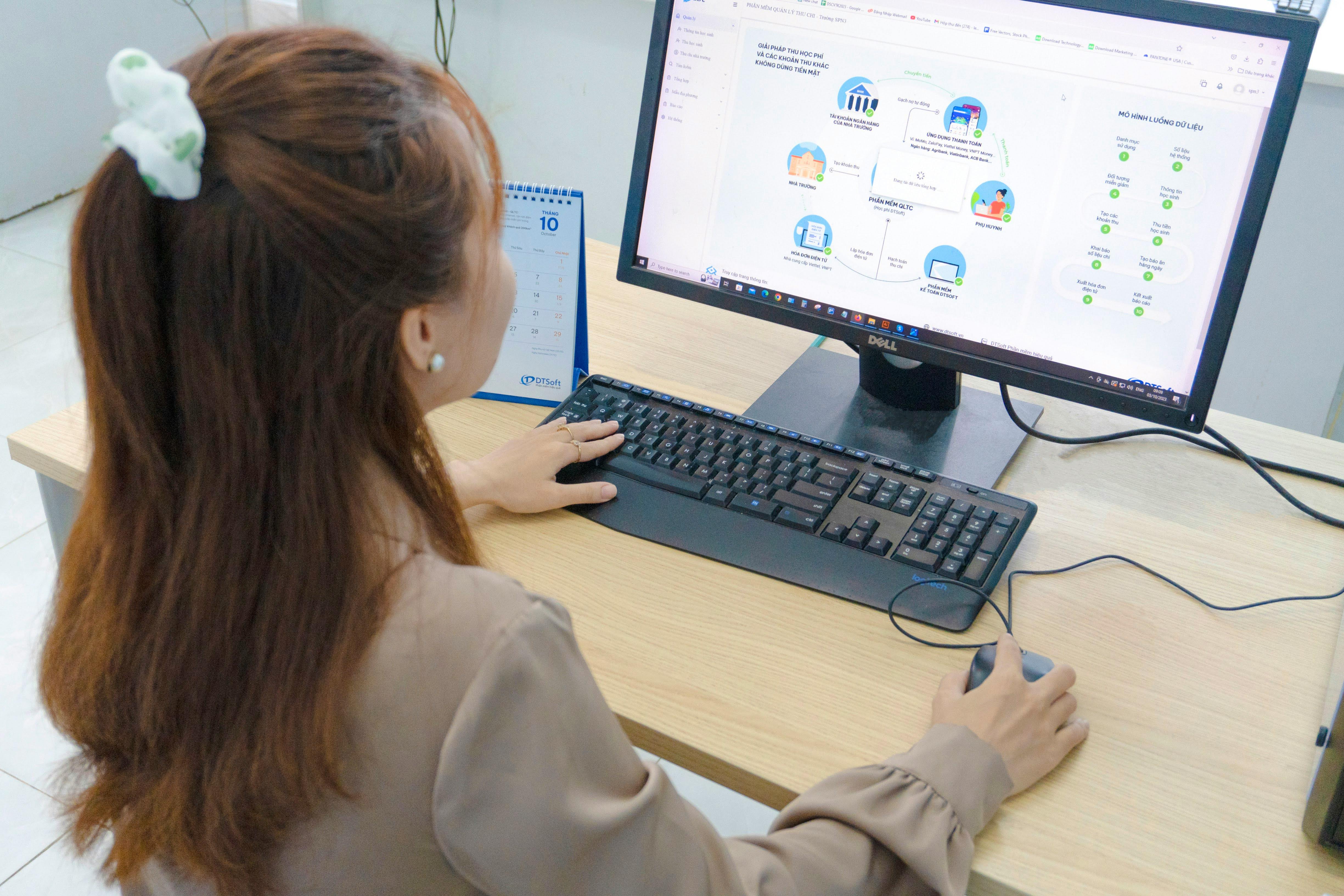
Employees can log their working hours using computers or laptops accessible over the web. This method suits teams that use digital systems as part of their usual activities. It enables organizations to collect time records without relying exclusively on physical equipment.
Alternative Tracking Methods Meet Specific Workforce Needs
Certain organizations require flexible approaches that take into account employee roles, workplace policies, and how people work. Other methods provide additional ways to collect time information from specific groups of workers.
● For email timesheets: employees may submit their working hours via digital records that are shared with the organization. This approach offers a simple means of obtaining time information from certain teams and is suitable for positions that need flexible submission procedures.
● Honor-based timesheets: Salaried staff or certain remote employees are allowed to record their working hours according to predefined guidelines, as this method is appropriate for positions in which employees are able to manage their own schedules and do not need to use traditional time-clock equipment.
Choosing the Right Software for Clocking Needs
When choosing time and attendance software, companies need to consider clocking methods that suit their workforce structure and attendance requirements. Before deciding, organizations should consider factors such as employee roles, workplace locations, and scheduling needs.
A system that offers appropriate identification and digital features can support various working arrangements. It enables businesses to manage time records through efficient, well-organized procedures. The right solution gives organizations better control over workforce hours.
Because different workplaces need different methods for accurately recording employees’ working hours, a variety of clocking options, from physical terminals to mobile and online ones, offer businesses practical ways to manage time records to meet their specific requirements. When attendance tracking is carefully planned, organizations can gain better insight into workforce activities and run their operations more efficiently.
