

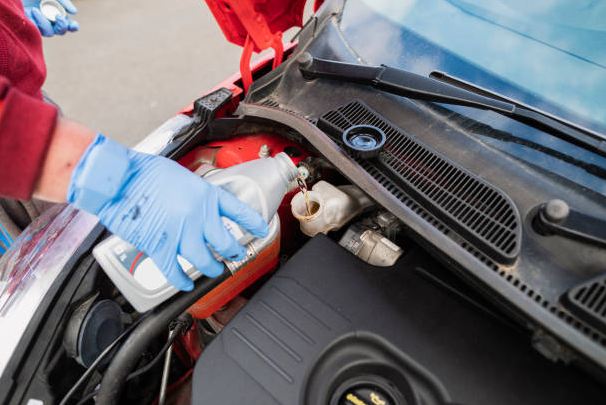
As someone who has a car, you may have heard that you need to replace your car fluids, but it’s easy to ignore that advice until it’s too late. The automobile expert then grins at you, showing off a crooked smile, but it is suddenly not just fluids anymore; it is an overheated engine, a spongy brake pedal, or a slipping transmission when you need it most.
The reality is that keeping your fluids refreshed is one of the easiest and highest-impact ways to safeguard your car. So whether you’re a new driver, a daily commuter or a full-on enthusiast, it pays to take an interest.
This guide outlines the essential fluids in your car, how often they need attention, and some handy tips on how to deal with changing them safely. You don’t have to undertake everything by yourself but will be in a better position to care for your car and avoid any nasty repair bills once you know what each fluid does and when it should be changed.
Why Car Fluids Replacement Is A Big Deal
All the different fluids in your vehicle behind-the-scene that are able to lubricate, cool, clean, transfer power, and stop. Engine oil, coolant, brake and transmission fluids, power steering fluid, and windshield washer fluid all serve a specific purpose. They get crippled due to heat and contamination and normal wear.
Maintenance experts highlight that neglected fluids can lead to:
-
Premature wear on engines, transmissions, and steering components
-
Overheating, especially if coolant is old or low
-
Reduced braking performance or complete brake failure if brake fluid is contaminated or low
-
Expensive repairs, like transmission overhauls or steering rack replacements, that could have been prevented with timely fluid changes
Manufacturers provide maintenance schedules that specify fluid inspection and replacement intervals in miles or years. Following that schedule is one of the simplest ways to keep your car running reliably for a long time.
Start With The Owner’s Manual (Yes, Really)
Before you grab any tools, your first step in car fluids replacement is understanding what your specific vehicle needs. There’s no one-size-fits-all answer, because different engines, transmissions, and systems require specific fluid types and intervals.
Your owner’s manual usually includes:
-
A recommended lubricants section listing engine oil viscosity, transmission fluid type, coolant, brake fluid, and power steering fluid specifications
-
A maintenance schedule that outlines when to change each fluid and when to simply inspect it
-
Diagrams of dipstick locations, reservoirs, and sometimes drain and fill plugs
Manual-reading guides suggest going straight to sections like “Maintenance Schedule,” “Lubrication,” “Engine Oil,” and “Fluids and Capacities.” They’ll tell you what to use and how often to change it, often with climate-based notes.
If the shop’s recommendations don’t match your manual, that’s your cue to ask questions instead of just saying yes.
Key Fluid Intervals: General Guidelines
Every car is different, but there are common ranges that many manufacturers and service guides mention. Always defer to your specific manual, but use these as a starting framework.
Typical recommendations from service and maintenance sources:
-
Engine oil:
-
Conventional: roughly every 3,000–5,000 miles
-
Synthetic: roughly every 7,500–10,000 miles, depending on driving conditions
-
-
Coolant / antifreeze:
-
Often every 2–5 years or around 60,000 miles, depending on type and vehicle; some modern coolants last longer, but many guides still suggest checks and exchanges in that window.
-
-
Automatic transmission fluid:
-
Commonly every 30,000–60,000 miles, though some automakers list “lifetime” fluid; many independent experts still recommend periodic changes for long-term durability.
-
-
Brake fluid:
-
Often every 2 years or about 24,000–30,000 miles, because it absorbs moisture over time and can degrade braking performance.
-
-
Power steering fluid (for hydraulic systems):
-
Roughly every 50,000 km (about 30,000 miles) or as recommended; some newer cars use electric steering instead and don’t have this fluid.
-
-
Differential and transfer case fluids:
-
Typically in the 30,000–60,000‑mile range for many AWD/4WD systems.
-
Again, your manual and manufacturer maintenance schedule are the final word, but if you’re way beyond these ranges with no fluid service history, it’s time to catch up.
Safety First: General Tips Before You Replace Any Fluid
Working with automotive fluids can be messy and, in some cases, hazardous if you don’t use basic precautions. Safety recommendations from coolant and brake fluid guides include:
-
Always work on a cool engine when dealing with coolant and most fluids. Opening a hot radiator cap, for example, can cause serious burns.
-
Park on a flat, dry surface and use wheel chocks if you’re crawling under the car.
-
Wear gloves and eye protection, especially when handling coolant, brake fluid, and transmission fluid.
-
Keep fluids away from pets and children. Coolant is toxic but has a sweet taste that can attract animals.
-
Dispose of old fluids properly at recycling centers or auto parts stores; never pour them down drains or onto the ground.
If at any point you’re unsure, there’s no shame in having a professional handle the job. Even then, knowing what they’re doing can help you ask better questions and avoid unnecessary upsells.
Engine Oil: The Fluid You Should Never Neglect
Engine oil gets most of the attention in car fluids replacement, and for good reason. It lubricates internal engine components, reduces friction, and helps carry away heat and contaminants.
Tips for oil changes:
-
Use the correct oil type and viscosity as specified in your manual (for example, 0W‑20, 5W‑30, etc.).
-
If you drive in severe conditions (lots of short trips, extreme temperatures, heavy towing), stick to the shorter end of the recommended oil change interval.
-
Check your oil level regularly between changes and top off if needed; consumption can vary even with no leaks.
Many owners are surprised when a relatively new car uses some oil between changes; experts note that some consumption can be normal, but consistent heavy loss is a reason to have the engine inspected.
Coolant: Keeping Your Engine From Overheating
Coolant (antifreeze) circulates through your engine and radiator to maintain a safe operating temperature and prevent freezing in cold weather. Over time, its corrosion inhibitors break down, and contaminants can accumulate.
Guides on coolant maintenance stress:
-
Checking your coolant level regularly and topping off if it’s below the recommended mark, using the correct type.
-
Inspecting hoses and the radiator for leaks, cracks, or crusty deposits.
-
Flushing and replacing coolant every 2–5 years depending on manufacturer recommendations and coolant type.
DIY radiator flush instructions emphasize letting the engine cool completely, using a catch pan, opening the drain plug at the bottom of the radiator, and refilling with the proper coolant mix. They also note the importance of bleeding air from the system using bleed screws, because trapped air pockets can cause overheating.
Brake Fluid: Small Reservoir, Big Consequences
Brake fluid transfers the force from your foot on the brake pedal to the brake calipers at each wheel. It’s hygroscopic, meaning it absorbs moisture from the air over time, which lowers its boiling point and can lead to brake fade or failure under hard use.
Maintenance recommendations often include:
-
Checking the brake fluid level at least a couple of times a year or whenever you change oil.
-
Ensuring the level stays between “MIN” and “MAX” on the reservoir and inspecting fluid color; dark or murky fluid usually indicates it’s time for a change.
-
Flushing and replacing brake fluid roughly every 2 years or 24,000–30,000 miles, depending on conditions and manufacturer guidance.
Brake fluid change guides outline a typical procedure:
-
Remove old fluid from the master cylinder reservoir
-
Refill with new fluid of the correct spec
-
Bleed the brakes at each wheel in the correct sequence, flushing out old fluid and air until clean fluid appears
If you’re not comfortable doing this yourself, it’s one of the fluids where professional service is often worth the cost, given its importance to safety.
Transmission Fluid: Quietly Protecting Your Gearbox
Transmission fluid lubricates moving components, cools the transmission, and in automatics, helps with hydraulic actuation and gear changes. Even with “lifetime” fluid claims, many independent mechanics recommend periodic car fluids replacement for transmissions, especially if you plan to keep the car long term.
Typical guidance from maintenance sources:
-
For many automatic transmissions, fluid changes around every 30,000–60,000 miles are common, but some manuals specify longer intervals; always check your car’s schedule.
-
Manual transmissions often have similar or slightly shorter intervals (for example, 30,000–45,000 miles).
-
For vehicles with tow packages or used in severe conditions, shorter intervals can be especially helpful.
The procedure can range from a simple drain‑and‑fill to a more involved fluid exchange that cycles new fluid through the system. Because access can be tricky and over‑ or under‑filling can cause issues, many owners leave this one to professionals, but understanding the recommended interval helps you stay on top of it.
Power Steering, Differential, And Other Overlooked Fluids
There are some fluids that don’t get talked about, yet they still matter.
Fluid to power hoses and steering assist mechanisms in vehicles that use hydraulic power steering. A good guideline for fluid change intervals to help prolong the life of the steering system is around every 50000 km (30,000 miles). Vehicles with electric power steering won’t have such a fluid at all.
It is also important check the differential and transfer case fluids in AWD and 4WD. According to service manuals and guides, you should check and change these roughly every 30,000–60,000 miles.
Washer fluid and clutch fluid (if it does not share a reservoir with brake fluid) might not seem very important, but they play their part in visibility and drivability respectively. So, choose to keep these topped up and clean too.
Pros And Cons Of DIY Car Fluids Replacement
Once you understand what each fluid does, you may be tempted to do everything yourself. That can be great, but it’s not for everyone.
Pros of DIY fluid changes:
-
Cost savings on labor, especially for straightforward tasks like oil and coolant changes
-
Better understanding of your car’s condition; you’ll spot leaks and wear earlier
-
Satisfaction and control, knowing exactly what went into your car
Potential downsides:
-
Some jobs require special tools or procedures (for example, modern transmissions without dipsticks, pressurized systems, or complex bleed sequences).
-
Mistakes (wrong fluid type, incorrect level, trapped air in coolant or brake systems) can cause serious damage or safety issues.
-
Disposal of old fluids must follow local regulations; you’ll need a plan for that.
A hybrid approach works well for many owners: handle basic checks and simple fluids yourself, and leave more complex ones to a trusted shop.
Building A Simple Fluid Maintenance Habit
You don’t need a spreadsheet or an engineering degree to manage car fluids replacement effectively. A simple routine goes a long way.
Easy maintenance rhythm:
-
Once a month:
-
Check engine oil level and color
-
Glance at coolant, brake fluid, and washer fluid reservoirs
-
Look under the car for fresh drips or puddles
-
-
Every oil change:
-
Ask your shop to check brake fluid, transmission fluid (if accessible), power steering, and differential levels and condition
-
Compare their recommendations with your manual and maintenance schedule
-
-
Once a year:
-
Review your manual’s maintenance chart and see which fluid intervals you’re approaching
-
Schedule any upcoming fluid replacements so they don’t sneak up on you
-
One driver told me, “The first time I did a full fluid check, I felt totally out of my depth. By the third time, it felt like checking my phone battery before a trip.” That’s what you’re aiming for: low‑stress, routine care.
Conclusion: Fluids Are Cheap, Repairs Are Not
In the overall picture of owning a car, vehicle fluids replacement is cheap insurance. New motor oil, clean brake fluid, good coolant, and proper transmission and steering fluids will keep the expensive moving pieces from grinding themselves into an early grave.
If you have been slacking on this, do not pick up your whole owner’s manual right away. Just start small with the maintenance and fluid sections this week. Check your key reservoir levels and set up any overdue changes.
After that, you should set a reminder on your phone for your next check. Allotting a few minutes every month can extend your car’s life and prevent you from getting hurt with repair bills that can be a lot.
