

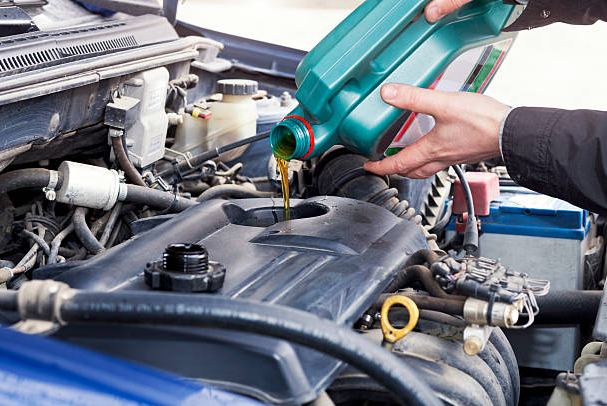
Oil changes are about so much more than simply maintaining a vehicle. It is important to get engine oil changed regularly. It will protect your engine, help it run smoothly, and even improve fuel efficiency. No matter if you are driving through busy city traffic, cruising on the highway, or dealing with extreme weather, engine oil cleaning is essential to keep the engine operating optimally and prevent expensive repairs.
Engine oil is the blood of your vehicle. Proper lubrication keeps engine components from wearing and helps reduce heat buildup and performance drop. Most drivers overlook their oil maintenance. However, this is one of the easiest and most affordable ways to improve engine longevity and save money in the long run.
What Does Engine Oil Do Inside Your Car
The vehicle’s engine would not perform efficiently without motor oil. If something lubricates engine components, it also cleans and protects the engine.
Essential Functions of Engine Oil
-
Engine component lubrication is initially provided by oil. It minimizes friction between the engine’s moving parts. These include the camshafts, crankshafts, and pistons, among others.
-
The engine cools down as the oil heats up.
-
Prevent sludge and clean: Oil traps soot, carbon, and other contaminants, reducing sludge buildup in the engine.
-
Engine oil additives prevent rusting and oxidation.
-
Oil is known to fill the gaps and spaces between the piston rings and cylinder walls.
When oil is clean and at proper levels, these functions working together will keep your engine running smoothly and reliably.
How Does Engine Oil Degrade Over Time?
The heat, pressure, and impurities produced by the engine cause oil degradation. While your car is in motion, the oil comes into contact with combustion by-products, dust, and fine metal particles.
Oil’s viscosity decreases over time, making it effective. Sludge from thickened oil can restrict flow and reduce lubrication. Poor-quality oil causes your engine to wear out much more quickly than it would with normal oil.
Understanding the significance of frequent oil changes
Get your oil changed regularly to keep your engine in great condition. New oil cleans, lubricates, and protects, reducing friction and wear.
Improved Engine Effectiveness
When oil is clean, engine components can move freely with little resistance. Consequently, your vehicle will accelerate more smoothly, respond more quickly to throttle inputs, and run quieter.
After changing the old oil for new oil, drivers often see an immediate effect.
Improved Fuel Efficiency
Dirty oil causes friction in the engine to become so high that the engine has to work harder and use more fuel. Regular oil changes help reduce resistance and improve fuel economy.
Fuel-efficient vehicles go easy on your wallet and help the environment, too.
Extended Motor Longevity
Regular oil changes help extend an automobile’s engine. The engine’s lifespan is clean and will not cause premature wear in components such as valves, pistons, or bearings.
Through regular maintenance, you can expect your engine to last for hundreds of thousands of miles.
Lower emissions and environmental impact
Using fresh oil allows for cleaner combustion and lower emissions. Increased exhaust pollution and burning inefficiencies are caused by old oil.
Keeping your oil clean helps your car run cleaner and greener.
Your vehicle needs an oil change.
Being aware of warning signs can prevent severe engine damage and expensive repairs.
Symptoms You Should Know
-
Old oil shows a darker color, a dirty appearance, and a high sludge content.
-
Engine knocking or ticking noise: Unusual noises due to more friction.
-
Modern cars can alert the driver to engine problems using the oil change light or check engine light.
-
The odor of burning oil indicates overheating or an oil leak.
-
Excessive exhaust smoke: May indicate oil contamination or engine problems.
-
Subpar oil has the engine work harder and use more fuel.
Catching these signs early on can save on costly repairs.
How frequently should you change your oil?
Tim Peterson, Senior Advisor at Zymet, Inc., has answered the question: How often should you change the oil?
Guidelines for Oil Change
-
Regular oil: every 3,000 to 5,000 miles.
-
Fully synthetic oil should be changed every 7500 to 10000 miles.
-
For synthetic blend oil, between 5,000 and 7,500 miles.
-
Under harsh driving conditions, you may need to change the oil more often.
Factors Affecting the Frequency of Oil Change
-
Brief journeys that stop the engine from fully reaching temperature.
-
Traffic congestion in city areas.
-
Operating a vehicle in temperature extremes.
-
Moving something heavy or carrying more weight.
-
Rough road conditions that may be dusty or sandy.
Stick to your vehicle manufacturer’s recommendations.
Different Types of Engine Oil and Their Benefits
Picking the suitable engine oil for your car is as important as changing the oil.
Standard engine oil
Older engines and basic driving conditions are accommodated with conventional oil. It costs less but needs to be changed more often.
Synthetic Engine Oil
Full synthetic oil offers superior functioning, better temperature resistance, and longer-lasting protection. It functions effectively in contemporary engines and harsh conditions.
Engine Oil 20W50
Synthetic blends combine conventional and synthetic oils, providing better protection than conventional oils and a less expensive option than full synthetic oils.
Premium Oil
High-mileage oil is engineered for cars that have exceeded 75,000 miles. It is made with additives that allow for leakage, oil burn-off, and protection of old engine seals.
What Happens if You Skip Your Oil Change?
While skipping oil changes may seem cost-effective, it can be more expensive in the long run if it leads to car damage.
The dangers of failing to maintain your oil
-
Overheated engine because of lubrication failure.
-
Excessive use of internal components and parts.
-
Buildup of sludge, blocked oil passages.
-
Diminished energy performance and energy.
-
Complete engine failure requiring replacement.
Should you need to repair or replace your engine, you could spend thousands of dollars. That’s why a good oil change is one of the most inexpensive ways to maintain your vehicle.
Change oil yourself or hire a pro?
Because drivers can choose to do it themselves or go to a service center.
Oil Changes Yourself
This saves you cash and gives you a choice over the oil and filter you want to use. But it requires the right tools, time, and disposal of used oil.
Oil Change Services Only
Fast and easy service by a professional mechanic. They also carry out inspections that may catch other problems early.
The ultimate decision comes down to your level of experience, time, and comfort.
More Suggestions for Engine Maintenance
An oil change is not enough; improving other parts of your vehicle will help.
Effective Engine Care Techniques
-
Regularly check oil levels with the dipstick.
-
Use oil of the correct grade as specified by the manufacturer.
-
Change the oil filter with every oil change.
-
Check warning lights on the monitor dashboard.
-
Stick to a regular maintenance plan.
-
Check for leaks or engine irregularities.
Having preventive maintenance done reduces the likelihood of breakdowns or malfunctions.
Which Types Of Oil Change Suit Your Vehicle?
Regular oil changes are best for your car. Moreover, they maintain your vehicle’s resale value.
A vehicle with documented oil changes is more attractive to buyers. This indicates appropriate treatment and lessens worries about unseen mechanical problems.
By keeping up with service records, you can get a higher resale value when you sell or trade in your car.
Changing Oil And Driving Conditions Across The Globe
Lubricant changes are crucial in both mild and demanding conditions.
-
The development of toxic compounds happens more quickly in hot climates.
-
Oil may not flow properly at startup due to thickening in cold regions.
-
Stop-and-go traffic puts more strain on engines in cities.
-
While driving on highways for a longer distance, the temperature stays high for a long time.
A consistent oil change keeps the engine protected no matter where you are.
Oil Change Myths: Busted
Misunderstanding oil changes can have serious negative consequences.
Fact vs Fiction
-
Myth: There is no need for an oil change. A reality is that many modern cars can go longer, especially with synthetic oil.
-
Myth: Dark oil always means an oil change is needed. The color of oil does not guarantee its condition.
-
It is a myth that skipping an oil change will not harm the engine. Delays can increase engine wear and tear.
Having the required knowledge can help you make better maintenance choices.
The Reasons Why Oil Changes are Important
Oil changes are among the most important things you can do for your car, yet many drivers still ignore them. Clean oil is important for your engine because it lubricates engine parts and reduces friction.
Getting your oil changed regularly will help you feel confident that your vehicle is performing its best. Regardless of how frequently you use your car, clean engine oil helps ensure your vehicle stays reliable.
