

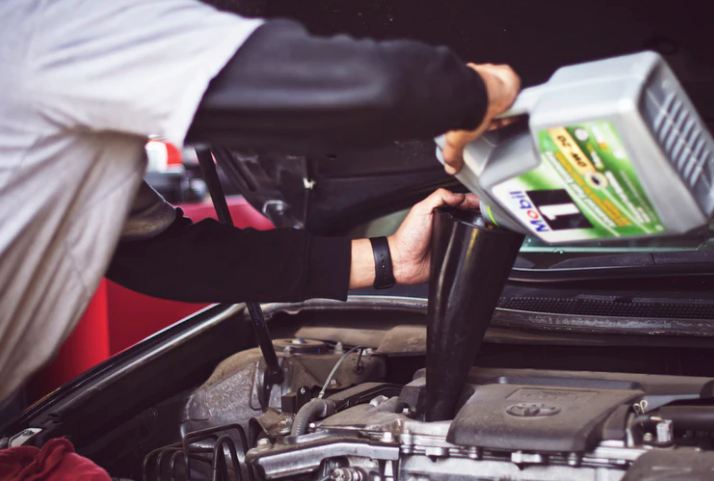
It is always helpful to frequently check your car oil as it helps protect the other parts of your car. It is free, takes just a minute, and can literally save you thousands of dollars on engine repairs. However, a lot of car owners don’t carry out this procedure for months together or assume that the dashboard light will “let them know” when something’s wrong.
This guide is for the average car owner or new car buyer or enthusiast who wants to give their engines a little more care without becoming a full-time mechanic. Step by step, we’ll take you through how to check your oil, how often you should do it, what the dipstick is actually telling you and warning signs you must never ignore.
Why Checking Car Oil Matters More Than You Think
The lifeblood of your car’s engine is engine oil. Car engine oil has a vital function in the moving mechanical parts of an automobile. When the oil level is too low, or the oil is broken down and dirty, friction and heat can build up, which can lead to increased wear and tear, overheating or catastrophic engine failure.
Automotive experts note that low or dirty oil is linked to:
-
Knocking or ticking noises from the engine
-
Reduced performance and sluggish acceleration
-
Overheating and increased fuel consumption
-
In extreme cases, seized engines that are cheaper to replace than repair
You can avoid a lot of these issues by making checking car oil a simple regular habit rather than something you only do when a warning light comes on.
I once met a driver who said, “I thought the oil change sticker on the windshield was just a suggestion . . . until my engine started knocking.” It’s a hard way to learn a very preventable lesson.
How Often Should You Check Your Oil?
There is no one rule that applies to every car and driver, but there are good rules.
The process of checking the oil once a week for the first month is worth following when you first get a new car. You can then check how quickly or slowly it uses up oil. After you recognize the pattern, you can often check less frequently – perhaps once a month – and always before long trips.
Oil and maintenance guides also recommend:
-
Checking more frequently if your car is older or has high mileage
-
Checking more often if you drive in severe conditions (short trips, heavy city traffic, extreme heat or cold, towing)
-
Checking any time you notice unusual engine noise, a burning smell, or warning lights
On the oil change side, modern engines and oils typically allow 5,000 to 7,500 miles between oil changes, but you should always follow your owner’s manual for exact intervals. Checking the level between changes is still important, because an engine can consume oil even if there’s no external leak.
Basic Prep: Before You Touch The Dipstick
A good oil check starts with a proper setup. Different manufacturers have slightly different recommendations, but most guides agree on a few fundamentals.
General prep steps:
-
Park the car on level ground so the oil sits flat in the pan and gives an accurate reading.
-
Turn off the engine and let it sit for a few minutes so the oil can drain back into the oil pan. Some sources recommend checking when the engine is cold; others say slightly warm but not hot. Your owner’s manual will specify what’s best for your vehicle.
-
Set the parking brake and make sure the engine is off and safe to work around.
-
Have a clean rag or paper towel ready; checking car oil can be messy.
If you’re not sure how to open your hood, your manual usually has a diagram and step-by-step instructions. It’s worth learning once and getting comfortable with it.
Step-by-Step Guide To Checking Car Oil With A Dipstick
Most gasoline cars still use a traditional dipstick for oil checks. Here’s the process, pulled from several expert walkthroughs.
-
Open the hood and locate the dipstick
-
Look for a loop or handle, often colored yellow or orange. It’s usually near the engine but may vary by model.
-
-
Pull out the dipstick and wipe it clean
-
Remove it completely and use your rag to wipe off all the oil from the metal blade.
-
-
Reinsert the dipstick fully
-
Slide it back into the tube all the way down until it seats. This is crucial for an accurate reading.
-
-
Pull it out again and read the level
-
Hold the dipstick horizontally and look at the tip. You’ll see two marks (often labeled MIN/MAX, L/H, or “add” / “full,” or shown as holes or crosshatching).
-
If the oil streak sits between these marks, your level is within the normal range. If it’s at or below the low mark, it’s time to add oil.
-
-
Check the oil’s appearance
-
Fresh oil is usually amber or honey-colored. Dark, very dirty, or sludgy oil is a sign you may be overdue for a change.
-
-
Reinsert the dipstick when you’re done
-
Once you’ve taken your reading, fully seat the dipstick again and close the hood securely.
-
Dipstick designs differ slightly by manufacturer, so if you’re unsure, your owner’s manual is the final word on how to read it correctly.
How To Add Oil Safely If It’s Low
If your dipstick shows the oil level at or below the low mark, you’ll need to add oil. The key is to add it gradually and recheck as you go, to avoid overfilling.
Most how-to guides recommend:
-
Find the oil filler cap on top of the engine; it usually has an oil can symbol.
-
Use the correct oil type and viscosity as specified in your owner’s manual (for example, 5W-30).
-
Add a small amount at a time (often half a quart to start), then wait a minute and recheck the dipstick.
-
Repeat in small increments until the level is between the low and full marks, ideally close to full but not above it.
Overfilling can cause foaming and reduced lubrication, or add stress to seals and gaskets, so it’s not a “more is always better” situation.
Quick Checklist For Topping Up Oil
-
Confirm the recommended oil grade in your manual
-
Add oil in small amounts, rechecking the dipstick
-
Stop once the level is in the safe zone, not past the max
Reading The Oil’s Condition: What The Color And Texture Tell You
While checking car oil is mostly about level, the oil’s condition offers important clues about your engine’s health.
Oil appearance guidelines:
-
Healthy oil: Light amber or honey-colored, smooth, and free of obvious particles.
-
Dirty or old oil: Dark brown or black, possibly thick or gritty. This usually means it’s time for an oil change.
-
Milky or frothy oil: May signal coolant mixing with oil, possibly from a head gasket issue; this needs professional diagnosis.
Several maintenance articles emphasize that dark, sludgy oil, strange smells, or unusual exhaust smoke (blue or gray) can be signs of oil-related engine problems or the need for immediate service.
If your oil looks wrong and you’re not sure why, it’s safer to have a trusted mechanic take a look rather than hope it sorts itself out.
Warning Signs You Should Never Ignore
Your car often warns you about oil issues before something serious happens, but only if you’re paying attention.
Common warning signs of oil trouble include:
-
Oil pressure or oil-level warning light on the dashboard
-
Check engine light, especially combined with other symptoms
-
Unusual engine noises like knocking, ticking, or grinding
-
Overheating or higher-than-normal temperatures
-
Burning oil smell inside the cabin or around the engine
-
Blue or gray exhaust smoke, often a sign of burning oil
-
Noticeable loss of power or poor acceleration
If the oil pressure light comes on while driving, experts advise pulling over safely as soon as you can and checking car oil before you continue. If the level is low, add oil and see if the light goes out; if it stays on, the problem may be more serious and you shouldn’t keep driving.
Pros And Cons Of Checking Your Own Oil
If you’ve always let shops handle everything under the hood, you might be wondering if learning to check your own oil is worth the effort.
Benefits of checking your own oil:
-
Early warning: You’ll catch low oil or dirty oil before it causes damage.
-
Cost savings: Avoiding oil-starvation problems can save you from very expensive repairs.
-
Confidence: You’ll understand your car better and feel more prepared before road trips.
Potential downsides or challenges:
-
Time and habit: You have to remember to do it regularly.
-
Messiness: It’s not glamorous, and you might get a bit of oil on your hands or clothes.
-
Learning curve: If you’ve never opened a hood before, the first time can feel intimidating.
For most drivers, the pros far outweigh the cons, especially once you’ve done it a couple of times and realize how straightforward it is.
How Your Owner’s Manual Helps With Checking Car Oil
Your owner’s manual isn’t just a glove-box decoration. It’s a surprisingly useful guide to all things lubrication and maintenance.
Manuals usually show you:
-
The recommended oil type and viscosity for your engine and climate
-
The oil capacity and change intervals
-
Diagrams showing the location of the dipstick and oil filler cap
-
Any special instructions, like checking the oil warm vs. cold
One lubrication guide recommends starting in sections like “Maintenance Schedule,” “Engine Oil,” or “Fluids and Capacities” to find the specifics for your car. Vehicles with unusual layouts or electronic oil-level systems may have additional steps, so it’s worth a quick read.
Simple Routine To Build The Habit
If you want to turn checking car oil into a reliable habit, keep it easy and consistent.
A practical routine might look like this:
-
Pick one day each month (for example, the first weekend) to check oil and tire pressures together.
-
Always check oil the night before a long road trip.
-
Keep a small funnel, a spare quart of the correct oil, and paper towels in your trunk.
-
Note any top-ups or changes in a simple log on your phone or in a notebook.
One driver said, “The first time I checked my own oil, I felt a little ridiculous… then weirdly proud,” and that’s pretty common. Once you see how easy it is, you’re much less likely to ignore it.
Conclusion: A Five-Minute Habit That Can Save An Engine
Among all maintenance tasks, checking car oil is without a doubt one of the simplest. Nevertheless, it plays a vital part in how long your engine will last and how well it will run. With a clean rag, a few minutes on level ground and a glance at the dipstick, you can catch low oil levels, dirty oil, and avoid many of the costliest problems a vehicle can suffer from.
For those with some time to spare. If you’ve been putting it off, try starting small: check your oil once this week, follow the owner’s manual for oil type and intervals, and note the level and color. Then, make it a monthly practice and a pre-road-trip ritual. Although your engine will not send you a thank-you note, it will continue its job mile after mile.
